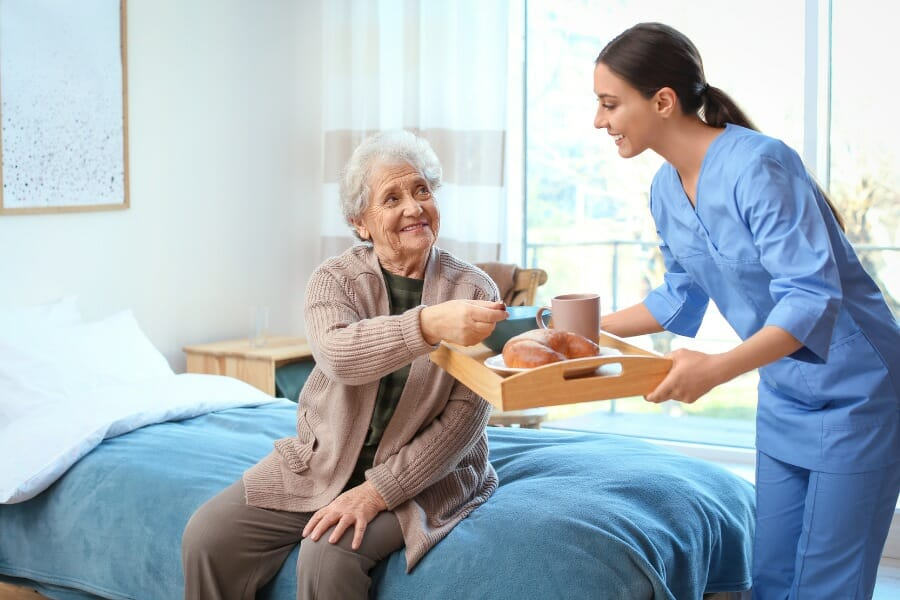
As people grow older, their needs begin to change. Many elderly individuals require extra help with daily activities, medical care, and emotional support. While some families consider nursing homes or assisted living facilities, many prefer a more comfortable and familiar option: in-home nursing care for elderly patients.
This type of care allows seniors to stay in their own homes while receiving professional support. It combines medical assistance with personal care, helping elderly individuals maintain dignity, independence, and a better quality of life.
What Is In-Home Nursing Care?
In-home nursing care is a service where trained nurses or caregivers visit elderly patients in their homes to provide medical and personal support. This care can range from basic assistance, such as helping with bathing and dressing, to more advanced medical care like wound treatment or medication management.
Unlike hospital care, in-home nursing focuses on comfort and familiarity. The patient stays in their own environment, surrounded by their belongings and memories, which often improves emotional well-being.
Why In-Home Care Is Important for Elderly Patients
As people age, they may face physical limitations, chronic illnesses, or recovery from surgery. In-home nursing care plays an important role in addressing these challenges.
1. Comfort and Familiarity
Being at home makes elderly patients feel safe and relaxed. They are not forced to adjust to a new environment, which can reduce stress and confusion, especially for those with memory issues.
2. Personalized Care
In-home care is tailored to each individual. Caregivers focus on one patient at a time, ensuring that all needs are met properly.
3. Independence
Elderly individuals can continue their daily routines and maintain control over their lives. This helps boost confidence and emotional health.
4. Family Involvement
Family members can stay closely involved in the care process. They can monitor progress and spend more time with their loved ones.
Types of Services Provided in In-Home Nursing Care
In-home nursing care is flexible and can include many different services depending on the patient’s needs.
Medical Services
- Administering medications
- Monitoring vital signs
- Wound care
- Post-surgery care
- Managing chronic diseases like diabetes or heart conditions
Personal Care Services
- Bathing and grooming
- Dressing
- Toileting assistance
- Mobility support
Companionship
- Talking and emotional support
- Helping reduce loneliness
- Encouraging hobbies and activities
Household Assistance
- Light cleaning
- Cooking meals
- Grocery shopping
- Laundry
Benefits of In-Home Nursing Care
Choosing in-home nursing care offers many advantages for both elderly patients and their families.
Better Health Outcomes
Patients often recover faster at home because they feel more relaxed and less stressed.
Reduced Risk of Infections
Hospitals and nursing homes can expose patients to infections. At home, this risk is much lower.
Cost-Effective Option
In many cases, in-home care can be more affordable than long-term hospital stays or nursing homes.
Emotional Well-Being
Being surrounded by family and familiar surroundings helps reduce depression and anxiety.
Challenges of In-Home Nursing Care
While in-home care has many benefits, there are also some challenges to consider.
Cost Variations
Depending on the level of care needed, costs can increase, especially for 24/7 care.
Finding Qualified Caregivers
It is important to hire trained and trustworthy professionals, which may take time.
Home Adjustments
Some homes may need modifications, such as installing handrails or medical equipment.
How to Choose the Right In-Home Nursing Service
Selecting the right care provider is very important. Here are some simple steps to help you make the best choice:
1. Check Qualifications
Make sure the nurses and caregivers are certified and experienced.
2. Read Reviews
Look for feedback from other families to understand the quality of service.
3. Ask Questions
Discuss services, schedules, and costs clearly before making a decision.
4. Evaluate Communication
Choose a provider who communicates openly and listens to your concerns.
5. Start with a Trial
If possible, begin with a short-term arrangement to see if it is the right fit.
Role of Family in In-Home Care
Family members play a key role in ensuring successful in-home nursing care.
- They provide emotional support
- They help monitor the caregiver’s work
- They communicate changes in the patient’s condition
- They ensure the patient feels loved and valued
Working together with caregivers creates a strong support system for the elderly.
Tips for Improving In-Home Care Experience
To make in-home nursing care more effective and comfortable, consider the following tips:
- Keep the home clean and safe
- Maintain a regular routine
- Encourage social interaction
- Provide healthy meals
- Stay positive and patient
Small efforts can make a big difference in the patient’s quality of life.
Future of In-Home Nursing Care
With advancements in healthcare, in-home nursing care is becoming more popular. Technology such as remote monitoring, telehealth, and smart medical devices is improving the quality of care at home.
In the future, more families are expected to choose this option because it combines professional medical support with comfort and independence.
Conclusion
In-home nursing care for elderly patients is a practical and compassionate solution for aging individuals who need support. It allows seniors to stay in a familiar environment while receiving professional care tailored to their needs.
This approach not only improves physical health but also enhances emotional well-being. With the right caregiver and family involvement, elderly patients can live a comfortable, safe, and dignified life at home.
FAQs
1. What is the difference between a caregiver and a home nurse?
A caregiver usually helps with daily activities like bathing and cooking, while a home nurse provides medical care such as giving medications and monitoring health conditions.
2. Is in-home nursing care expensive?
The cost depends on the level of care required. Basic care is usually affordable, but full-time medical care can be more expensive.
3. Can in-home care handle serious medical conditions?
Yes, trained nurses can manage many serious conditions, but some cases may still require hospital treatment.
4. How many hours of care can be provided at home?
Care can range from a few hours a day to 24/7 support, depending on the patient’s needs.
5. How do I know if my elderly parent needs in-home care?
If they struggle with daily tasks, forget medications, or have health issues, it may be time to consider in-home nursing care.