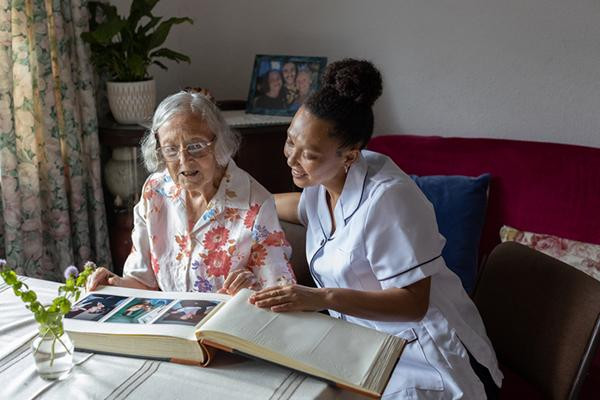
Caring for a loved one with dementia is one of the most emotional and challenging journeys a family can face. Dementia doesn’t just affect memory—it slowly changes behavior, thinking, and the ability to perform everyday tasks. As the condition progresses, seniors need more attention, patience, and structured care.
This is where specialized dementia care for seniors at home becomes incredibly important. It allows elderly individuals to stay in a familiar environment while receiving the support they need to live safely and comfortably.
In this article, we will explore what specialized dementia care at home means, why it matters, and how families can make the best decisions for their loved ones.
What Is Dementia?
Dementia is not a single disease. It is a term used to describe a group of symptoms that affect memory, reasoning, and social abilities. Common types include Alzheimer’s disease, vascular dementia, and Lewy body dementia.
People with dementia may:
- Forget recent events or names
- Get confused about time or place
- Struggle with communication
- Experience mood swings or personality changes
- Have difficulty completing daily tasks
Because dementia worsens over time, care needs also increase.
What Is Specialized Dementia Care at Home?
Specialized dementia care at home refers to professional or trained caregiving services designed specifically for people with dementia, provided in their own house rather than in a nursing facility.
This type of care goes beyond basic assistance. It includes:
- Memory support techniques
- Behavior management
- Safety monitoring
- Emotional companionship
- Structured daily routines
Caregivers are trained to understand how dementia affects the brain and how to respond with patience and skill.
Why Choose Home-Based Dementia Care?
Many families prefer home care over institutional care for several important reasons.
1. Familiar Environment Reduces Confusion
Seniors with dementia feel more comfortable in familiar surroundings. Being at home helps reduce anxiety, confusion, and agitation.
2. Personalized Care
At home, care is tailored to the individual’s needs, habits, and personality. This leads to better emotional well-being.
3. Stronger Family Connection
Family members can stay closely involved in the care process, creating a supportive and loving environment.
4. Improved Quality of Life
Home care allows seniors to maintain a sense of independence and dignity.
Key Features of Specialized Dementia Care
Specialized dementia care is different from general elderly care. It focuses on both physical and mental health.
1. Memory Care Techniques
Caregivers use simple tools like reminders, labels, and routines to help seniors stay oriented.
2. Behavior Management
Dementia can cause agitation or aggression. Trained caregivers know how to calm and redirect patients safely.
3. Daily Living Assistance
This includes help with:
- Bathing
- Dressing
- Eating
- Medication reminders
4. Cognitive Stimulation
Activities such as puzzles, music, storytelling, and light exercise help slow mental decline.
5. Safety Measures
Homes may be modified to prevent accidents, such as:
- Removing tripping hazards
- Installing locks or alarms
- Ensuring proper lighting
The Role of Caregivers
Caregivers are the backbone of home dementia care. Their role goes beyond physical help—they provide emotional support and companionship.
A good dementia caregiver:
- Is patient and understanding
- Communicates clearly and calmly
- Recognizes behavioral triggers
- Encourages independence when possible
- Builds trust with the senior
Caregivers can be family members, hired professionals, or part of a home care service.
Challenges of Dementia Care at Home
While home care offers many benefits, it also comes with challenges.
1. Emotional Stress
Watching a loved one change can be heartbreaking. Caregivers may feel sadness, frustration, or burnout.
2. Physical Demands
Helping with mobility and daily tasks can be physically exhausting.
3. Financial Cost
Professional home care services can be expensive depending on the level of care required.
4. Safety Concerns
Without proper planning, seniors may wander or injure themselves.
Tips for Providing Effective Dementia Care at Home
If you are caring for someone with dementia, these tips can help:
1. Create a Routine
A consistent daily schedule reduces confusion and anxiety.
2. Keep Communication Simple
Use short sentences and clear instructions. Speak calmly and avoid arguing.
3. Make the Home Safe
Install grab bars, remove sharp objects, and secure doors if needed.
4. Encourage Activities
Engage your loved one in simple, enjoyable activities like gardening, music, or drawing.
5. Take Care of Yourself
Caregiver burnout is real. Take breaks, ask for help, and prioritize your own health.
When to Consider Professional Help
Sometimes, caring for a dementia patient alone becomes too difficult. You should consider professional home care if:
- The senior requires constant supervision
- There are frequent behavioral issues
- Personal care needs increase
- You feel overwhelmed or exhausted
Professional caregivers bring expertise and can greatly improve the quality of care.
The Future of Dementia Care at Home
With growing awareness and technology, home-based dementia care is improving.
Innovations include:
- Smart home monitoring systems
- Medication reminder apps
- Telehealth support
- Specialized caregiver training programs
These advancements help seniors stay at home longer while receiving high-quality care.
Conclusion
Specialized dementia care for seniors at home is a compassionate and effective way to support individuals living with memory-related conditions. It combines professional expertise with the comfort of a familiar environment, allowing seniors to maintain dignity and quality of life.
While it requires effort, patience, and planning, home care can be deeply rewarding. With the right support system and knowledge, families can create a safe and loving space where their loved ones feel valued and cared for.
Frequently Asked Questions (FAQs)
1. What is the difference between regular elderly care and dementia care?
Regular elderly care focuses on physical needs, while dementia care also addresses memory loss, behavior changes, and cognitive challenges.
2. Can dementia patients safely stay at home?
Yes, with proper safety measures and supervision, many dementia patients can safely live at home.
3. How many hours of care does a dementia patient need?
It depends on the stage of dementia. Early stages may need a few hours daily, while advanced stages may require 24/7 care.
4. Is home dementia care better than a nursing home?
It depends on the individual. Home care offers comfort and personalization, while nursing homes provide structured, full-time medical support.
5. How can I find a qualified dementia caregiver?
You can contact home care agencies, healthcare providers, or local support organizations to find trained caregivers.