Joint pain is a common problem that affects millions of people worldwide. It can happen due to aging, injury, overuse, arthritis, or other medical conditions. While severe joint pain sometimes requires surgery, most people can find relief through non-surgical treatments. These treatments aim to reduce pain, improve mobility, and help patients maintain a good quality of life without undergoing invasive procedures.
In this article, we will explore various non-surgical options for joint pain relief, explain how they work, and give tips on how to manage joint health effectively.
Understanding Joint Pain
Joints are the connections between bones that allow movement. They are cushioned by cartilage, lubricated with synovial fluid, and supported by muscles and ligaments. When any part of this system is damaged, inflamed, or weakened, it can lead to pain, stiffness, or swelling.
Common causes of joint pain include:
- Osteoarthritis – the wear and tear of cartilage over time.
- Rheumatoid arthritis – an autoimmune condition where the immune system attacks joints.
- Injuries – like sprains, strains, or fractures affecting the joint.
- Bursitis or Tendinitis – inflammation of the tissues around joints.
- Overuse – repetitive movements leading to stress on joints.
Joint pain can be mild and occasional or severe and chronic. Even if the pain is not disabling, it can affect daily activities such as walking, climbing stairs, or lifting objects.
Non-Surgical Treatment Options
Non-surgical treatments focus on relieving pain, reducing inflammation, and improving joint function. These methods are often safer, less expensive, and have fewer risks than surgery.
1. Physical Therapy
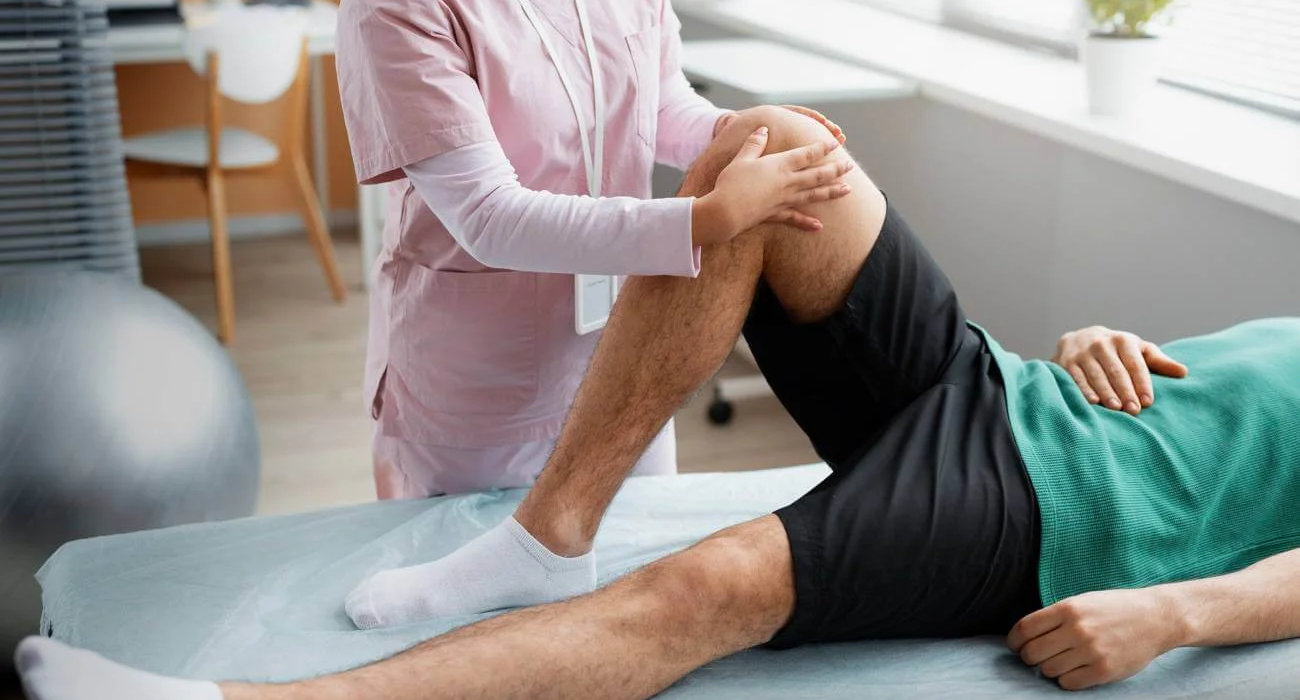
Physical therapy is a cornerstone of non-surgical joint pain relief. A trained therapist designs exercises to strengthen muscles around the joint, improve flexibility, and support proper movement. Strong muscles take pressure off the joint, reducing pain and slowing joint damage.
Benefits:
- Improves mobility
- Reduces stiffness
- Prevents further injury
Tip: Even a 10–15 minute daily routine of gentle stretching or strengthening exercises can make a big difference.
2. Medications
Medications can help control pain and inflammation. Some common options include:
- Nonsteroidal Anti-Inflammatory Drugs (NSAIDs): Like ibuprofen or naproxen. They reduce swelling and pain.
- Acetaminophen: Helps with pain relief but doesn’t reduce inflammation.
- Topical creams: Gels, ointments, or patches that you apply directly to the painful joint.
Important: Always use medications as prescribed and consult your doctor, especially if you have other health conditions.
3. Weight Management
Excess body weight increases stress on weight-bearing joints, such as the knees, hips, and spine. Losing even a small amount of weight can reduce pressure on joints, decrease pain, and improve mobility.
Tip: Combine a balanced diet with regular low-impact exercise like walking or swimming for better results.
4. Low-Impact Exercise
Exercise keeps joints flexible, strengthens supporting muscles, and promotes circulation. Low-impact activities are gentle on joints and include:
- Swimming or water aerobics
- Cycling
- Yoga or Pilates
- Walking on flat surfaces
Important: Avoid high-impact activities that may worsen joint pain, like running on hard surfaces or jumping exercises, especially if you have arthritis.
5. Hot and Cold Therapy
Heat and cold treatments can reduce joint discomfort.
- Heat therapy: Helps relax stiff muscles, improves blood flow, and reduces stiffness. Use heating pads, warm baths, or hot towels.
- Cold therapy: Reduces inflammation and swelling. Apply ice packs wrapped in a towel for 15–20 minutes.
Many people alternate between heat and cold for maximum relief.
6. Joint Injections
For some patients, doctors recommend injections directly into the joint. These include:
- Corticosteroid injections: Reduce inflammation quickly and provide short-term relief.
- Hyaluronic acid injections: Lubricate the joint, making movement smoother and less painful.
- Platelet-rich plasma (PRP) therapy: Uses your own blood’s healing properties to repair joint tissues.
These treatments are minimally invasive and can delay the need for surgery.
7. Assistive Devices
Using supportive tools can reduce strain on painful joints:
- Braces or sleeves to stabilize knees or elbows
- Canes or walking sticks to reduce pressure on hips or knees
- Special shoes or orthotic inserts to correct posture and reduce pain
These devices improve daily comfort and allow safer movement.
8. Lifestyle and Home Remedies
Simple lifestyle changes can also make a significant difference:
- Rest: Give joints time to heal, but avoid prolonged inactivity.
- Proper posture: Sit and stand correctly to reduce stress on joints.
- Anti-inflammatory diet: Foods like leafy greens, berries, fish rich in omega-3, and nuts can reduce inflammation.
- Stress management: Stress can worsen pain perception, so practices like meditation or deep breathing help.
9. Alternative Therapies
Some people find relief through complementary therapies:
- Acupuncture
- Massage therapy
- Chiropractic care
- Herbal supplements (always consult a doctor first)
While these methods may not cure joint pain, they can help reduce discomfort and improve overall well-being.
When to Consider Surgery
Non-surgical treatments work for most people, but surgery may be necessary if:
- Pain is severe and persistent
- Joint function is significantly limited
- Non-surgical methods fail to provide relief
- There is joint deformity or serious cartilage damage
Even then, non-surgical methods are often used alongside surgery for better recovery.
Maintaining Joint Health
Preventing joint pain is as important as treating it. Tips for long-term joint health:
- Stay active and maintain muscle strength.
- Avoid repetitive stress on joints.
- Maintain a healthy weight.
- Eat a balanced diet rich in anti-inflammatory foods.
- Protect joints during sports or physical activity.
Regular check-ups with a doctor can detect joint problems early and prevent them from becoming severe.
FAQs About Non-Surgical Treatment for Joint Pain Relief
1. Can joint pain be completely cured without surgery?
In many cases, yes. Non-surgical treatments can significantly reduce pain and improve joint function. However, the effectiveness depends on the cause and severity of the joint problem.
2. How long does it take to see results from non-surgical treatments?
Some treatments, like medications or heat/cold therapy, provide immediate relief. Others, like physical therapy or lifestyle changes, may take weeks to months for noticeable improvement.
3. Are natural remedies effective for joint pain?
Natural remedies like turmeric, ginger, omega-3 supplements, or gentle exercise can help reduce inflammation and pain, especially when combined with medical treatments.
4. Is it safe to continue exercising with joint pain?
Yes, but focus on low-impact exercises. Avoid activities that worsen pain. A physical therapist can create a safe exercise plan tailored to your condition.
5. Can non-surgical treatments prevent arthritis progression?
While non-surgical treatments may not completely stop arthritis, they can slow joint damage, reduce pain, and improve quality of life. Early intervention is key.
Conclusion
Joint pain does not always require surgery. With a combination of physical therapy, medication, exercise, weight management, lifestyle adjustments, and other non-surgical treatments, most people can find significant relief and continue living active, healthy lives. The key is to address joint issues early, adopt healthy habits, and consult medical professionals to choose the best approach.
Non-surgical treatments not only relieve pain but also empower individuals to take control of their joint health and improve overall mobility and quality of life.