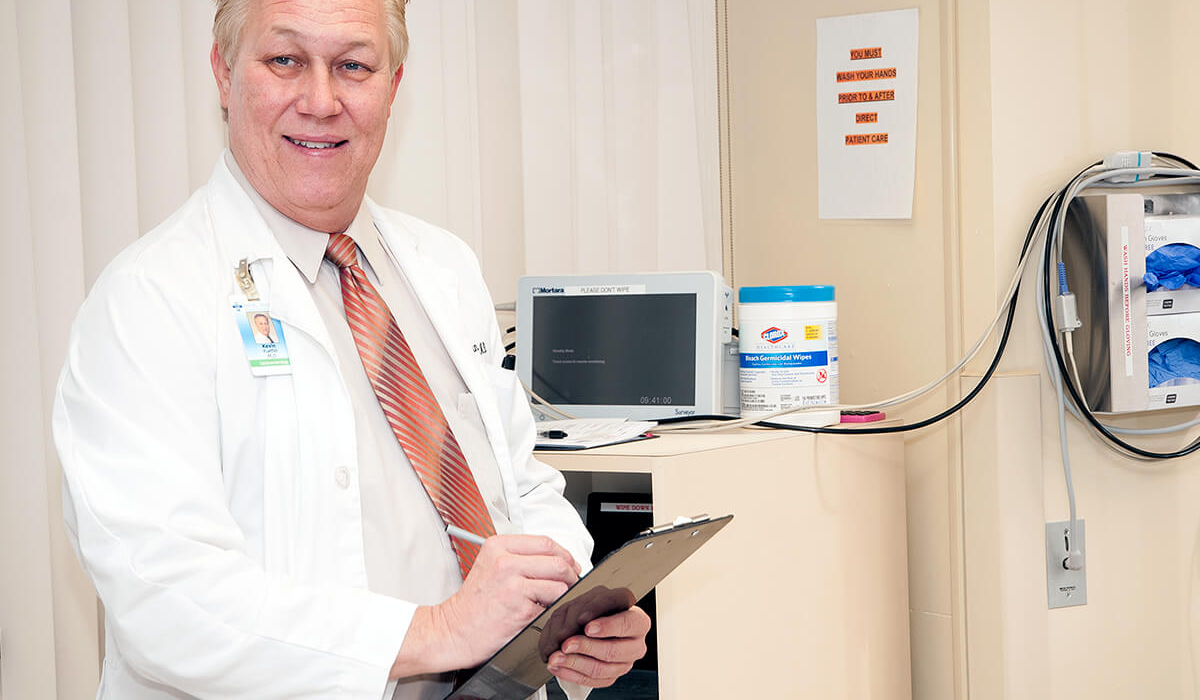
Acid reflux and heartburn are more common than many people think. If you often feel a burning sensation in your chest or throat after meals, you may be experiencing these uncomfortable digestive issues. While occasional heartburn is normal, persistent symptoms can indicate a condition called gastroesophageal reflux disease (GERD). Visiting a specialized gastroenterology clinic can help you manage these symptoms and improve your overall digestive health.
Understanding Acid Reflux and Heartburn
Acid reflux happens when stomach acid flows back into the esophagus, the tube connecting your throat and stomach. This backflow can irritate the lining of the esophagus and cause the classic burning sensation known as heartburn. Symptoms can include:
- A burning feeling in the chest or throat
- Regurgitation of food or sour liquid
- Difficulty swallowing
- Chronic cough or hoarseness
- Feeling of a lump in the throat
While lifestyle changes like avoiding spicy foods, eating smaller meals, and not lying down immediately after eating can help, many people need professional care to prevent complications.
The Role of a Gastroenterology Clinic
A gastroenterology clinic specializes in diagnosing and treating disorders of the digestive system. When it comes to acid reflux and heartburn, these clinics offer comprehensive care that goes beyond what over-the-counter medications can provide.
What to Expect at a Clinic
Visiting a gastroenterology clinic typically involves several steps:
- Detailed Medical History: The doctor will ask about your symptoms, lifestyle, diet, and any medications you take.
- Physical Examination: A simple check can reveal signs of esophageal irritation or other digestive issues.
- Diagnostic Tests: Depending on your symptoms, your doctor may recommend tests such as:
- Endoscopy: A camera examines your esophagus and stomach to check for inflammation or damage.
- pH Monitoring: Measures the amount of acid in your esophagus.
- Esophageal Manometry: Evaluates how well your esophagus muscles are working.
- Personalized Treatment Plan: Treatment may include lifestyle modifications, medications, or, in severe cases, surgical options.
Common Treatments for Acid Reflux and Heartburn
Treatment at a gastroenterology clinic is personalized. Some common approaches include:
1. Lifestyle Changes
Lifestyle changes are the first step in managing heartburn. These may include:
- Avoiding trigger foods like spicy, fatty, or acidic foods
- Eating smaller, more frequent meals
- Elevating the head of the bed to prevent nighttime reflux
- Quitting smoking and limiting alcohol
- Maintaining a healthy weight
2. Medications
Several medications can help control acid reflux:
- Antacids: Provide quick relief by neutralizing stomach acid
- H2 Blockers: Reduce acid production
- Proton Pump Inhibitors (PPIs): More effective for long-term acid suppression
3. Surgery
In severe cases of GERD, surgical procedures may be recommended, such as fundoplication, which strengthens the lower esophageal sphincter to prevent acid reflux.
Benefits of Visiting a Gastroenterology Clinic
Going to a gastroenterology clinic for acid reflux and heartburn has several advantages:
- Accurate Diagnosis: Identifies the root cause of your symptoms
- Tailored Treatment: Offers a personalized plan for your condition
- Prevention of Complications: Reduces the risk of esophageal ulcers, strictures, or Barrett’s esophagus
- Expert Guidance: Provides education on diet, lifestyle, and medication management
Tips for Managing Acid Reflux at Home
Even with medical care, daily habits play a crucial role in managing heartburn:
- Avoid lying down immediately after meals
- Keep a food diary to identify triggers
- Drink plenty of water but avoid large amounts during meals
- Wear loose-fitting clothes to reduce pressure on the stomach
- Manage stress through relaxation techniques like meditation or yoga
When to See a Gastroenterologist
You should schedule a visit if you experience:
- Heartburn more than twice a week
- Difficulty swallowing or persistent pain
- Vomiting or coughing up blood
- Unexplained weight loss
- Symptoms that do not improve with over-the-counter medications
Early intervention can prevent complications and improve your quality of life.
FAQs About Gastroenterology Clinics for Acid Reflux and Heartburn
1. How long does it take to see results after visiting a gastroenterology clinic?
Results vary depending on severity and treatment. Mild cases may improve within a few weeks with lifestyle changes and medications. Severe cases may take months and sometimes require surgery.
2. Are acid reflux and heartburn preventable?
Yes, many cases can be managed or prevented with healthy eating habits, avoiding trigger foods, and maintaining a healthy weight. Regular checkups also help catch problems early.
3. Can children have acid reflux?
Yes, acid reflux can occur in children and infants. Pediatric gastroenterologists specialize in treating young patients with reflux, offering tailored treatment plans.
4. Are medications for acid reflux safe long-term?
Most medications, like PPIs, are safe under medical supervision. Long-term use may require monitoring for side effects, which your gastroenterologist will guide you on.
5. Is surgery always necessary for acid reflux?
No. Surgery is usually reserved for severe cases that don’t respond to medication or lifestyle changes. Most patients find relief with conservative treatments.
Conclusion
Acid reflux and heartburn can significantly impact daily life, but specialized care from a gastroenterology clinic offers hope and relief. From accurate diagnosis to personalized treatment plans, these clinics help manage symptoms effectively and prevent complications. Combining medical care with lifestyle adjustments gives you the best chance at long-term digestive health.
Taking the first step to visit a gastroenterology clinic can be life-changing, offering comfort, guidance, and a path to a healthier digestive system. Don’t ignore persistent heartburn—expert care can make a world of difference.