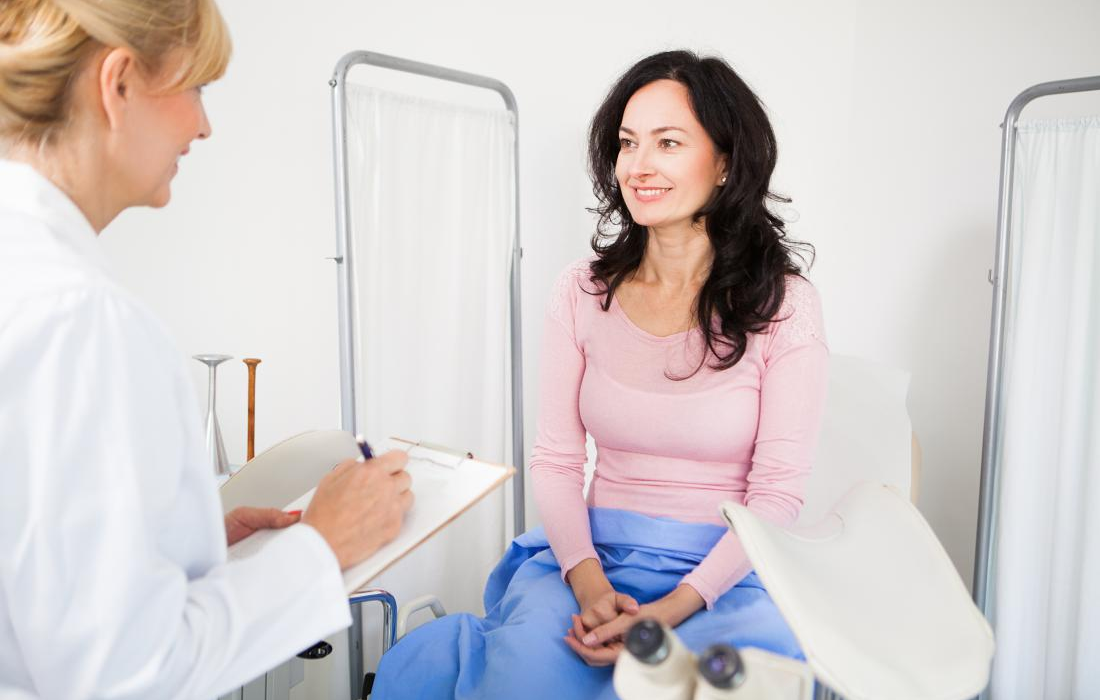
Taking care of your health is more than just eating well and exercising. For women, routine gynecological exams and Pap smears play a critical role in maintaining reproductive health, detecting problems early, and preventing serious illnesses like cervical cancer. Despite their importance, many women avoid these exams due to fear, embarrassment, or lack of awareness. This article explains what these exams are, why they are essential, and what to expect during your visit.
What Are Routine Gynecological Exams?
A routine gynecological exam is a medical check-up specifically designed for women’s reproductive health. These exams are typically recommended once a year for most women, though the frequency may vary depending on age, medical history, and risk factors.
During the exam, a gynecologist or healthcare provider evaluates your overall reproductive health, including:
- The vagina, cervix, and uterus
- Ovaries and fallopian tubes
- Breasts and lymph nodes for any unusual changes
- Your sexual and menstrual health
- Screening for sexually transmitted infections (STIs)
Routine exams help detect early signs of problems such as infections, abnormal growths, hormonal issues, or cancer. Early detection is often the key to successful treatment.
What Is a Pap Smear?
A Pap smear, also called a Pap test, is a simple procedure that screens for cervical cancer or precancerous changes in the cervix. It is usually done as part of a routine gynecological exam.
During a Pap smear:
- The doctor gently inserts a speculum into the vagina to view the cervix.
- A small brush or spatula collects cells from the cervix.
- The cells are sent to a lab for analysis to check for abnormalities.
Pap smears are essential because cervical cancer often develops slowly and may not cause symptoms in its early stages. Detecting abnormal cells early allows for treatment before cancer develops.
Why Routine Gynecological Exams Are Important
- Early Detection of Health Issues
Many gynecological conditions, such as ovarian cysts, fibroids, infections, or cancers, may not have noticeable symptoms at first. Regular exams allow doctors to identify problems early, which often leads to better outcomes. - Prevention of Cervical Cancer
Pap smears are specifically designed to catch precancerous changes in the cervix. Early treatment of these changes can prevent cervical cancer from developing. - Monitoring Reproductive Health
Routine exams give your doctor the chance to discuss menstrual health, contraception, fertility, and menopause. These conversations help women make informed decisions about their reproductive health. - STI Screening
Regular visits provide opportunities for testing and treatment of sexually transmitted infections, which, if untreated, can lead to serious complications like infertility. - Peace of Mind
Regular exams reassure women that their reproductive health is being monitored, reducing anxiety about potential undetected issues.
Who Should Get a Pap Smear and How Often?
- Women should begin Pap smears at age 21.
- Women aged 21-29 are generally advised to have a Pap smear every 3 years.
- Women aged 30-65 may have a Pap smear every 3 years, or a combination of Pap smear and HPV test every 5 years, depending on the doctor’s advice.
- Women over 65 may not need Pap smears if they have had regular normal results in the past.
Women with a history of abnormal Pap smears, HPV infection, or other risk factors may need more frequent testing.
What to Expect During a Routine Gynecological Exam
Many women feel nervous before their first gynecological exam. Here’s what usually happens:
- Medical History
The doctor will ask questions about your menstrual cycle, sexual activity, contraception, pregnancies, and any symptoms or concerns. - Physical Exam
A general physical exam may be conducted, including checking your breasts and pelvic area. - Speculum Exam
The doctor gently inserts a speculum into the vagina to examine the cervix. This is when a Pap smear may be performed. - Bimanual Exam
The doctor uses one or two fingers inside the vagina while pressing on the abdomen to feel the uterus and ovaries for abnormalities. - Discussion
After the exam, your doctor may discuss the results, offer advice on sexual or reproductive health, and recommend follow-up care if necessary.
Preparing for Your Exam
- Schedule at the right time: Try to avoid your period if possible, as it may interfere with the Pap smear results.
- Avoid certain products: Refrain from using vaginal creams, douches, or medications 48 hours before your exam.
- Relax: Deep breathing or listening to calming music can help reduce anxiety.
- List questions or concerns: Write them down so you don’t forget to ask anything important during your visit.
Common Myths About Gynecological Exams and Pap Smears
- “I don’t need an exam if I feel fine.”
Health problems can exist without symptoms. Routine exams catch issues early. - “Pap smears are painful.”
Most women feel only mild discomfort, often for just a few seconds. - “I’m too young to need a Pap smear.”
Screening starts at 21, but sexual health discussions can start earlier if needed. - “These exams are embarrassing.”
Healthcare providers are trained to make patients feel comfortable and respected. - “Pregnancy or menopause means I can skip exams.”
Gynecological exams remain important throughout life for overall health.
Benefits Beyond Physical Health
Routine gynecological exams and Pap smears are not just about preventing disease—they also provide:
- Emotional support and education on reproductive health
- Guidance on contraception and family planning
- Counseling on menstrual health, sexual health, and menopause
- A safe space to discuss personal concerns or lifestyle changes
Conclusion
Routine gynecological exams and Pap smears are essential components of women’s healthcare. They allow for early detection of health issues, prevention of cervical cancer, and overall monitoring of reproductive health. By making these visits a regular part of your health routine, you invest in long-term wellness and peace of mind.
Frequently Asked Questions (FAQs)
1. Does a Pap smear hurt?
Most women experience only mild discomfort or pressure during a Pap smear. The procedure is quick and usually over in a few minutes.
2. How often should I have a gynecological exam?
Generally, women should have a routine exam once a year. Frequency may vary based on age, medical history, and doctor recommendations.
3. Can I get a Pap smear during my period?
It’s best to schedule your Pap smear when you’re not menstruating, as blood can interfere with the results.
4. Are Pap smears necessary if I’m not sexually active?
Yes. Cervical health screening is recommended for all women starting at age 21, regardless of sexual activity.
5. What if my Pap smear results are abnormal?
Abnormal results do not always mean cancer. Your doctor may recommend additional testing or treatment to ensure early intervention.