Good vision is more than just being able to see clearly—it affects learning, work, safety, and overall quality of life. Both adults and children need regular eye exams and vision screenings to ensure their eyes are healthy and functioning well. Understanding the difference between eye exams and vision screenings, their importance, and what to expect can help families and individuals take the best care of their eyes.
What Are Eye Exams and Vision Screenings?
Eye exams and vision screenings are both tools to check eye health, but they serve slightly different purposes.
Vision screening is a quick check to see if someone might have a vision problem. It can detect issues like nearsightedness, farsightedness, or blurred vision. Vision screenings are often done at schools, community centers, or during routine doctor visits. While they are helpful, they do not replace a comprehensive eye exam.
Eye exams, on the other hand, are more thorough. Conducted by optometrists or ophthalmologists, these exams not only measure vision but also check for eye diseases such as glaucoma, cataracts, and retinal problems. Eye exams can also detect other health issues, like diabetes or high blood pressure, that sometimes show early signs in the eyes.
Why Eye Exams and Vision Screenings Matter for Children
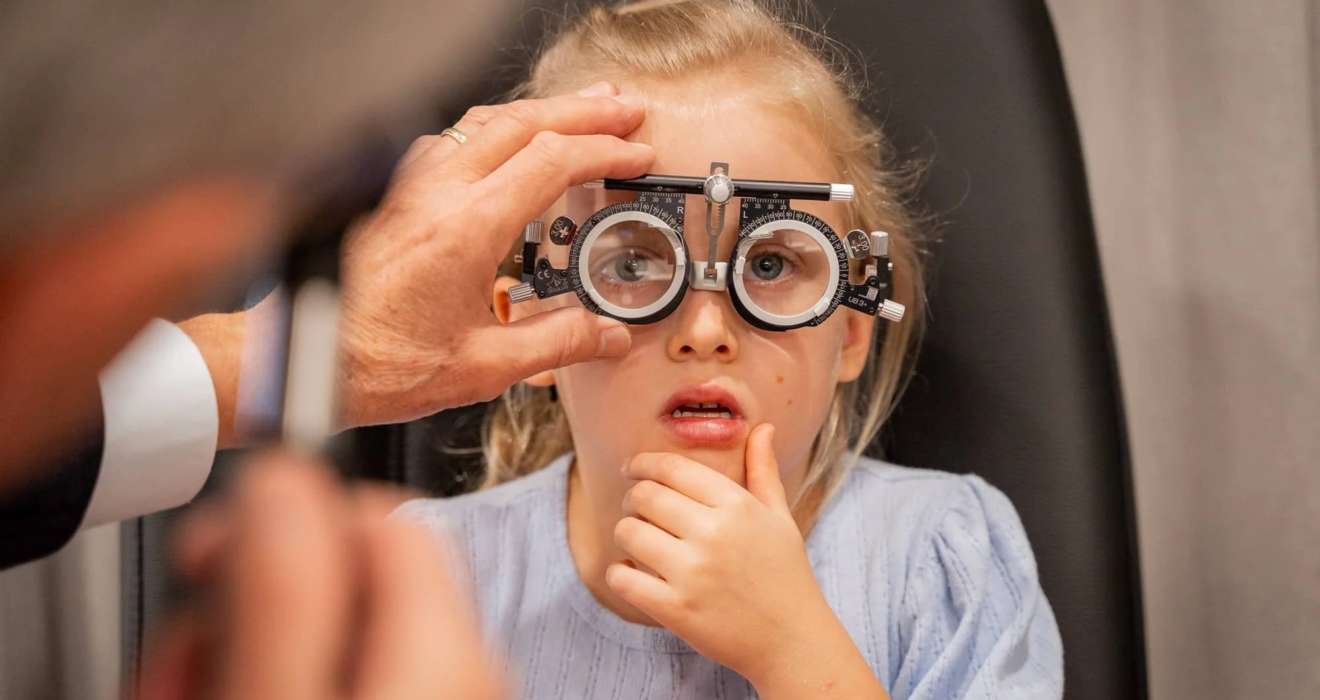
Children rely heavily on their vision for learning and development. Studies show that poor eyesight can affect reading, writing, and even social interactions. Unfortunately, children may not realize they have a vision problem because it is normal for them—they’ve never experienced clear vision to compare.
Some reasons children need regular eye exams include:
- Detecting vision problems early: Conditions like amblyopia (lazy eye) or strabismus (crossed eyes) are easier to treat if caught early.
- Supporting learning: Clear vision is essential for reading, writing, and participating in classroom activities.
- Encouraging healthy eye habits: Eye exams can help parents and children learn proper eye care routines.
Experts recommend children have their first eye exam at 6 months, again at 3 years, before starting school, and then every 1–2 years depending on their vision needs.
Importance of Eye Exams and Vision Screening for Adults
Adults sometimes think they only need eye exams if they notice vision problems. However, eye health can change gradually, and many eye conditions have no early symptoms. Regular eye exams help detect these conditions early when treatment is most effective.
Some key reasons adults need eye exams:
- Detecting eye diseases: Conditions like glaucoma, cataracts, and macular degeneration can develop with age. Early detection helps prevent serious vision loss.
- Monitoring chronic health issues: Diabetes and high blood pressure often affect the eyes, and eye exams can alert you to these conditions.
- Updating prescriptions: Vision changes can happen slowly, and regular exams ensure your glasses or contact lens prescriptions are accurate.
Most adults should have a comprehensive eye exam every 1–2 years, or more often if they have vision issues, chronic health conditions, or a family history of eye disease.
What to Expect During a Vision Screening
Vision screenings are generally fast and simple. Here’s what usually happens:
- Visual acuity test: Reading letters or symbols on a chart at a distance.
- Cover test: Checking for misalignment of the eyes.
- Pupil response check: Looking at how the eyes respond to light.
- Basic health questions: Asking about eye health, family history, and daily habits.
If any problems are detected, a comprehensive eye exam is recommended.
What Happens in a Comprehensive Eye Exam
Comprehensive eye exams are more detailed and can include:
- Refraction test: Determines the exact prescription needed for glasses or contacts.
- Slit-lamp exam: Uses a microscope to check the front of the eye for abnormalities.
- Retinal exam: Examines the back of the eye, including the retina and optic nerve.
- Eye pressure test: Checks for glaucoma by measuring pressure inside the eye.
- Color vision and depth perception tests: Evaluates how the eyes work together.
These tests help detect both vision problems and underlying health conditions.
Tips for Maintaining Healthy Eyes
Eye health isn’t just about exams. Daily habits can protect vision:
- Eat a balanced diet: Foods rich in vitamins A, C, and E, plus omega-3 fatty acids, support eye health.
- Protect eyes from UV rays: Wear sunglasses that block 100% of UVA and UVB rays.
- Take screen breaks: Follow the 20-20-20 rule: every 20 minutes, look 20 feet away for 20 seconds.
- Exercise regularly: Physical activity can reduce the risk of conditions like diabetes, which affects the eyes.
- Avoid smoking: Smoking increases the risk of eye diseases like cataracts and macular degeneration.
Signs That You or Your Child Might Need an Eye Exam
- Frequent headaches or eye strain
- Squinting or difficulty reading
- Difficulty seeing at night
- Crossed eyes or eyes that turn inward/outward
- Complaints of blurry vision or double vision
Even if there are no obvious signs, routine eye exams are essential for early detection.
Conclusion
Eye exams and vision screenings are crucial for maintaining healthy vision in both children and adults. While screenings are helpful for detecting obvious vision issues, comprehensive eye exams are essential for preventing and treating serious eye conditions. By scheduling regular eye check-ups and adopting healthy habits, you can protect your vision for life.
Frequently Asked Questions (FAQs)
1. How often should children have eye exams?
Children should have their first eye exam at 6 months, another at 3 years, before starting school, and then every 1–2 years depending on their vision needs.
2. Can vision screenings replace an eye exam?
No, vision screenings are not a substitute for a comprehensive eye exam. They are a quick way to detect potential problems, but thorough exams are needed for accurate diagnosis and treatment.
3. At what age should adults start regular eye exams?
Adults should start regular eye exams at age 18 and continue every 1–2 years. Adults with risk factors like diabetes or a family history of eye disease may need more frequent exams.
4. What are the common eye problems detected during exams?
Eye exams can detect nearsightedness, farsightedness, astigmatism, cataracts, glaucoma, macular degeneration, and eye conditions linked to chronic diseases like diabetes.
5. Are there any risks associated with eye exams?
Eye exams are safe and non-invasive. Some tests may involve eye drops to dilate the pupils, which can cause temporary blurred vision or light sensitivity, but these effects are short-term.