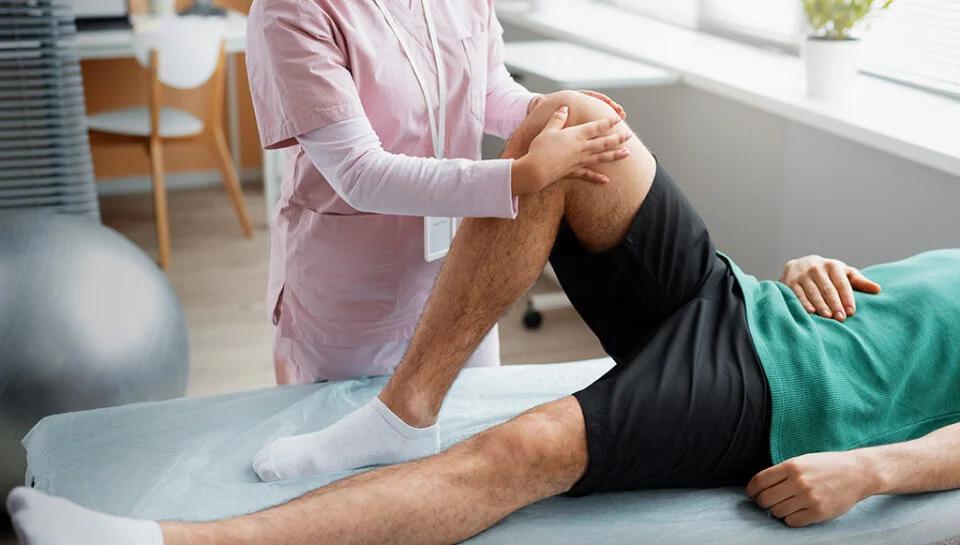
Knee pain involves discomfort, swelling, or stiffness in or around the knee joint. This common issue affects individuals across various age groups and activity levels. Common causes include general wear and tear, repetitive strain from physical activities, and minor injuries like sprains. This discomfort sometimes disrupts normal routine and limits mobility, but you can manage daily knee pain effectively with consistent habits. By understanding the available strategies, you can take practical steps to support your joint health and maintain your quality of life.
Immediate and Daily Relief Techniques
When knee pain flares during your daily activities, prompt attention can help minimize its impact. To help manage knee discomfort throughout your daily routine, try the following practical strategies:
- Rest your knee during flare-ups to prevent further irritation.
- Apply cold packs wrapped in a cloth to limit initial inflammation and reduce localized swelling.
- Use compression wraps for temporary support and relief during daily activities.
- Elevate your knee to help decrease excess fluid and minimize swelling.
- Incorporate gentle stretching to keep muscles and ligaments flexible and prevent stiffness.
- Wear supportive footwear with proper cushioning to absorb walking shocks.
- Avoid prolonged kneeling or squatting to reduce pressure on your knee joint.
These approaches can support your knee health day to day and help limit discomfort as you move through your routine.
Long-Term Management Tips
Sustainable knee health requires ongoing maintenance and careful lifestyle adjustments. Strengthening the muscles around your knee provides better structural support for the joint; focus on conditioning the quadriceps, hamstrings, and calves with targeted, regular exercises. Stronger leg muscles absorb more of the physical shock that would otherwise travel directly into the knee joint.
Maintaining a steady body weight also significantly reduces the mechanical load placed on your lower extremities. Additional body weight adds extra pressure to the knee joints during basic movements like walking or climbing stairs.
Transitioning from high-impact sports to low-impact physical activities can preserve joint function over time. Swimming provides excellent cardiovascular exercise, and it minimizes the mechanical stress on your lower body. Cycling and using elliptical machines are additional low-impact options that keep joints moving without subjecting them to heavy, repetitive pounding.
Professional Treatments of Knee Pain
For some individuals, knee pain may persist despite consistent home care and lifestyle adjustments. In these situations, surgical options may be recommended to help improve function and reduce discomfort. Common surgical procedures include arthroscopy, which allows the removal of damaged tissue or cartilage. Partial or total knee replacement is often recommended for advanced joint wear; realignment procedures may also be performed to adjust mechanical stress on the joint. Your healthcare provider will carefully assess your specific needs and discuss which options align with your overall health goals.
In recent years, regenerative medicine has become a supportive area in knee pain management. Techniques such as platelet-rich plasma (PRP) injections and stem cell therapy seek to promote the body’s own healing processes. These minimally invasive procedures are designed to promote tissue repair, and they may be recommended for certain patients with persistent knee discomfort. Discuss the appropriateness and expected outcomes of these techniques with your specialist.
A thoughtful conversation with your medical provider can help you weigh the benefits and risks of both surgical and regenerative approaches, helping you receive care that supports your health and quality of life.
Ask a Specialist Today
Managing joint discomfort often requires a comprehensive approach tailored to your specific situation; see a specialist when your pain has lasted several months and is affecting your daily life. Visit a healthcare provider to discuss your specific symptoms, review your medical history, and explore your treatment options. Ask your doctor any questions about your condition or the recommended treatments. Proper professional guidance helps you choose the most appropriate management strategies for your knee health and well-being.