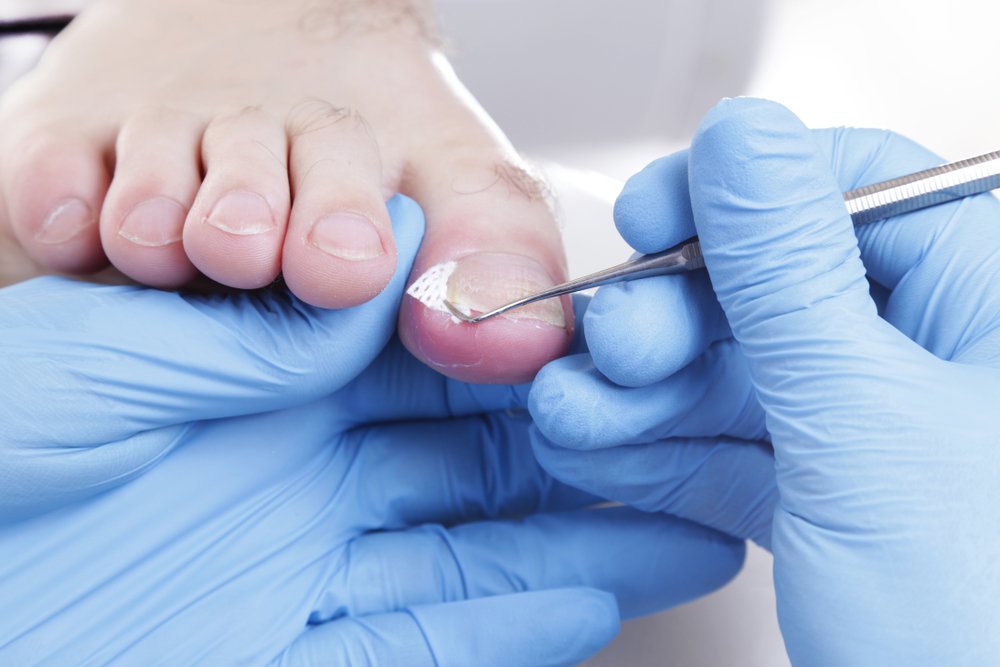
Ingrown toenail care may become necessary when discomfort, swelling, or signs of irritation interfere with daily activities. While some mild cases are manageable at first, persistent symptoms or worsening pain indicate the need for professional evaluation and treatment. Here’s more information on recognizing the signs you need professional care for an ingrown toenail:
Worsening Pain
Mild tenderness is an early symptom of an ingrown nail, and escalating pain indicates a worsening condition. The sharp edge of the nail continuously cuts into the soft tissue, and this persistent friction triggers a strong inflammatory response. Walking or wearing closed-toe shoes becomes increasingly painful, which can ultimately alter your natural gait and cause secondary joint issues. The intense discomfort also suggests that the nail has penetrated deep into the dermal layers. Podiatric intervention and ingrown toenail care can provide immediate relief through precise techniques, such as separating the affected nail from the toe.
Visible Signs of Infection
Local inflammation is a standard biological reaction to a foreign object, but unchecked inflammation often leads to infection. A clinical assessment is fundamental when specific changes are evident around the affected toe. You should observe the area closely for the following symptoms:
- Redness and swelling that spread beyond the immediate border of the nail.
- Fluid buildup or hardened skin surrounding the affected toe.
- Pus oozing from the margin where the nail meets the skin.
- Bleeding that occurs with minimal pressure or friction.
These signs indicate that the skin barrier is compromised, and bacterial pathogens have entered the tissue. You should schedule a professional evaluation if you notice these symptoms, as an untreated infection can spread to the underlying bone. A podiatrist can provide ingrown toenail care to eliminate the infection and perform necessary procedures.
Recurring Toenail Problems
Some individuals experience recurrent ingrown toenails despite practicing proper foot hygiene. This recurrence often stems from genetic predispositions, irregularly shaped nail beds, or improper trimming techniques. Cutting nails too short or rounding the edges creates a pathway for the nail to grow directly into the skin fold. Wearing narrow footwear compresses the toes, and the continuous pressure forces the nail edge downward. Professional ingrown toenail care addresses these anatomical and mechanical factors through specialized interventions. A podiatrist can perform a procedure to permanently correct the nail’s growth trajectory and prevent future occurrences.
High-Risk Warning Signs
Certain systemic health conditions and lifestyle factors increase the risk of severe complications from foot lesions. Patients with specific medical backgrounds require immediate clinical care for ingrown toenails to prevent systemic infections. You should seek prompt podiatric assistance if you align with any of the following profiles:
- Individuals diagnosed with diabetes mellitus, which impairs peripheral circulation and delays normal wound healing.
- Patients with peripheral neuropathy who possess a decreased ability to feel pain in their lower extremities.
- People who sweat profusely, such as teenagers or athletes, create a continuously moist environment prone to bacterial growth
- Older adults experiencing natural thickening of the toenails, making the nails harder to manage and trim correctly
Patients with these risk factors are at a higher risk if an ingrown nail remains untreated. Professional care involves careful monitoring and sterile procedures that protect vulnerable tissues from further damage.
Schedule Your Ingrown Toenail Care Appointment
Monitoring your foot health is a key component of your overall physical well-being. The primary indicators of an ingrown toenail that require clinical intervention include worsening pain, visible signs of infection, and specific high-risk medical conditions. Patients should see a specialist when these symptoms arise to prevent long-term damage and severe bacterial infections. Contact a qualified podiatrist near you to schedule your ingrown toenail care appointment today.