Taking your child to the dentist for the first time can be overwhelming, but it’s a fundamental step in building lifelong oral health habits. Family dentistry focuses on creating positive and stress-free experiences for kids and parents alike. Here are practical tips for first-time dental visits for kids:
Prepare Your Child for Success
Preparation often dictates the success of early clinical encounters. Parents should introduce dental concepts gradually and use neutral, non-threatening language. You can implement the following strategies to prepare your child for the clinic:
- Read educational materials: Books about dental visits explain the process visually, which helps children process the upcoming experience.
- Conduct mock appointments: You can practice a routine oral exam at home, and this activity normalizes the physical sensations of a dental checkup.
- Watch clinical walkthroughs: Videos that show family dentistry environments demonstrate the equipment, so children know what they will see.
These preliminary activities build familiarity with the dental environment. Children who undergo preparation often cooperate better during the actual examination.
Choose the Best Family Dentist
Selecting an appropriate dental professional is a key step in pediatric oral care. A suitable family dentistry practice maintains specialized equipment for young patients and has staff with specific training in pediatric behavior management. You must assess the clinic’s environment before you book the initial appointment.
When you evaluate a family dentistry provider, you should review their specific pediatric care protocols. Some practices use advanced technology for minimally invasive procedures; this helps to reduce patient discomfort. You should ask about their infection control standards and approach to preventive care. A practice that prioritizes clear communication helps parents make informed decisions about their child’s oral health trajectory.
Create a Positive Experience
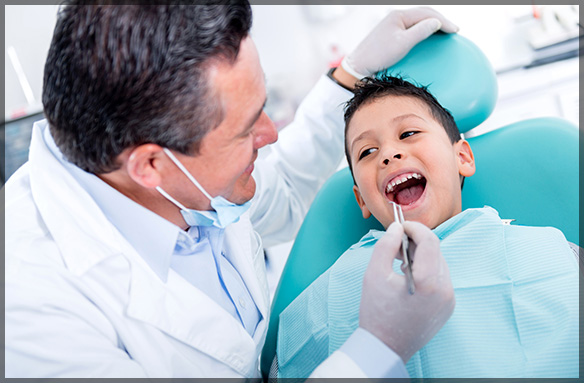
The actual clinical visit requires strategic management from parents and dental professionals. Dentists generally perform a visual examination of the child’s teeth, and they assess jaw development. Parents should remain calm during this process, as children closely monitor and adopt their caregivers’ behavioral cues. A neutral and supportive presence can help the child tolerate the sensory inputs of the clinical setting.
Communication during the examination remains a fundamental component of pediatric care. The dental team will explain each step using age-appropriate terminology, and they will demonstrate the tools before using them. You should allow the dental professionals to guide the interaction. This dynamic establishes the dentist as a trusted authority figure, and it facilitates a smoother examination process.
Build Healthy Post-Visit Habits
The clinical appointment concludes, but the oral health regimen must continue at home. Parents will receive specific instructions on daily hygiene and must implement these protocols consistently. You can establish a strong preventive routine by following these clinical recommendations:
- Implement supervised brushing: Parents should monitor brushing techniques twice daily and dispense the correct amount of toothpaste.
- Regulate dietary intake: Caregivers should limit sugary snacks and acidic beverages, as these items can accelerate enamel degradation.
- Schedule periodic assessments: The dentist will recommend a recall interval based on the child’s specific risk factors, and patients should adhere to this timeline.
Consistent daily maintenance can help prevent early childhood caries.
Schedule Your Family Dentistry Appointment
Early exposure to professional dental care establishes a baseline for lifelong oral hygiene. Parents support this process by preparing the child, selecting a qualified family dentistry practice, and maintaining consistent home care routines. Contact a reputable family dentistry practice near you to schedule your appointment today.