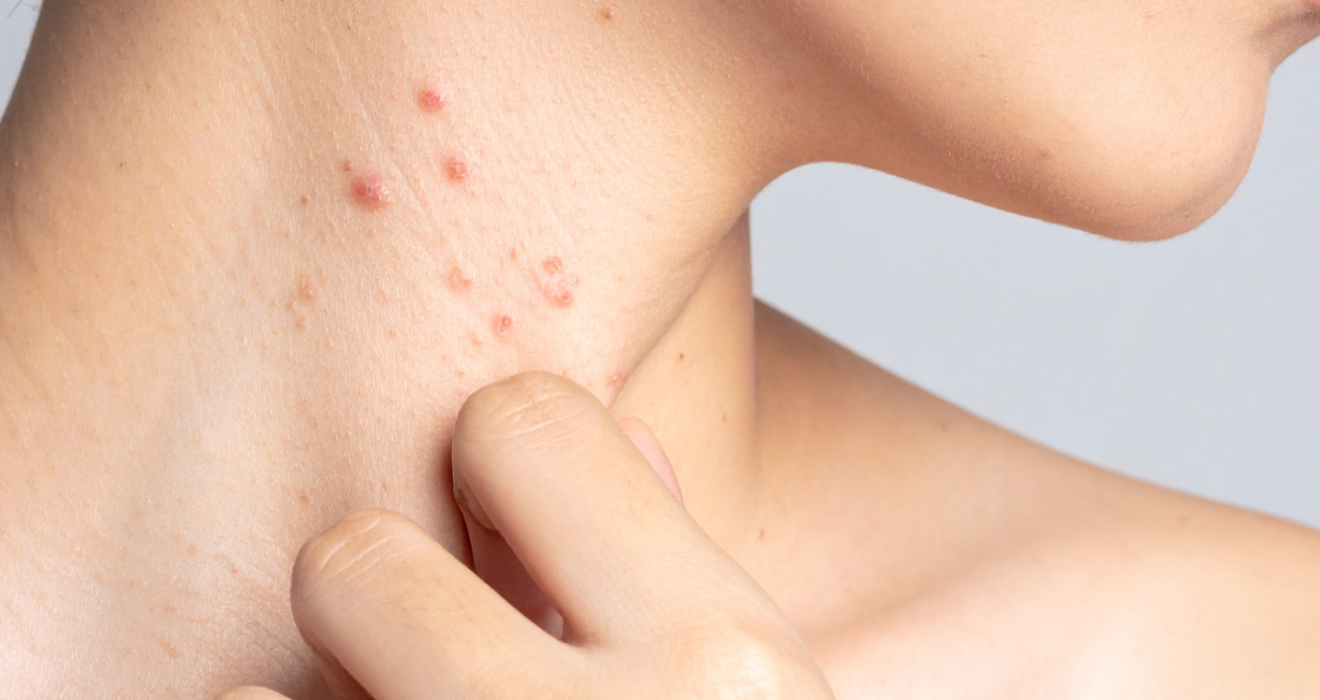
Dermatologists are specialized medical doctors who focus on skin, and they treat various physical conditions in their daily practice. Because the outer skin acts as a protective barrier, these doctors need extensive training to understand it. Their specialized expertise helps many patients manage daily physical discomfort. This is how dermatologists diagnose skin conditions effectively:
Examinations
Doctors look very closely at your skin surface, and they record their precise findings in a chart. While some spots look normal, other strange dark marks require a much closer medical look. A thorough visual and physical examination reveals many basic details about a person’s overall health. When a dermatologist notices odd border shapes, they measure the exact physical dimensions with a plastic ruler.
When a red rash suddenly appears, doctors check its exact location on the patient’s body. They may touch the affected physical areas during the standard in-office physical exam. They feel for unusual raised bumps, or they note sudden skin texture changes with their bare hands. This feedback provides valuable clues about the exact underlying internal medical issue.
Patch Tests
Hidden allergies may cause many skin issues for patients in daily life. If doctors suspect an unknown external allergy, they apply a standard patch test directly to the back. They tape liquid chemical extracts to your upper back, and you wear them for two full days. After the required time passes, the doctor removes the sticky tape to check for raised red marks.
Skin Biopsies
Doctors may need tissue samples to form a correct and definitive medical diagnosis quickly. If a basic visual check leaves unanswered questions, the medical professional performs a quick surgical biopsy procedure. A small surgical blade removes abnormal skin sections, and a specialized medical lab tests the tiny piece. This standard procedure happens very quickly right inside the normal outpatient medical clinic room.
A local anesthetic medicine numbs the target area, so patients typically feel no sharp pain. The doctor cuts a tiny circular piece of the outer skin growth for testing. After the small tissue is safely removed, the local clinic sends it away for chemical analysis. A small sterile bandage covers the wound to prevent dirt and bacteria from entering.
While the laboratory works, the patient waits for definitive answers. Medical providers examine the collected cells under microscopes, and they write a report. The dermatologist typically reads this specialized laboratory summary carefully to guide future treatment steps. Because the data is precise, the doctor forms a medical opinion.
Dermoscopy Tools
A modern dermatoscope acts like a magnifying glass, and it shines a bright light directly on the skin. This specialized handheld tool helps trained dermatologists see deep underlying skin layers clearly during a visit. Because the specific polarized light reduces surface glare, hidden structural patterns become visible to the human eye. The doctor holds the device very steady, and they look closely for the following:
- Dark pigment networks
- Tiny blood vessels
- Subtle color variations
Visit a Dermatologist
As you notice new changing moles, you might need a professional medical opinion to stay safe. Doctors diagnose physical conditions accurately, and they create distinct medical care plans for each unique patient. Schedule a medical appointment with a local dermatologist today to protect your long-term skin health. When you take prompt action early, you may protect your body from harm down the road.