Obstetrics is a branch of medicine focused on pregnancy, childbirth, and the postpartum period. Medical professionals monitor the physical changes of pregnant individuals, and they provide necessary clinical care during delivery. Outside a hospital or private practice, local community networks offer additional assistance for growing families. Here is some information about the benefits of community support in obstetrics:
Improves Health Outcomes
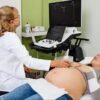
Prenatal care at an OBGYN clinic is the central point for monitoring both maternal and fetal health throughout pregnancy. Obstetric providers use scheduled visits to track fetal development, assess maternal physical changes, and conduct routine screenings that support early detection of complications. Regular appointments also allow clinicians to adjust care plans as needed, and they provide individualized medical guidance. Many clinics enhance care by offering prenatal education and referrals to additional support services when appropriate.
Community-based programs play a supportive role by offering education on nutrition, wellness, and infant care. Support groups and neighborhood organizations connect parents with resources like transportation and childbirth classes, helping remove barriers to prenatal care. Local initiatives may promote physical activity through pregnancy-safe fitness programs, and these complement clinical recommendations. Together, clinic-based care and community resources help reduce barriers to consistent prenatal care.
Reduces Mortality and Morbidity
Maternal health requires ongoing clinical observation throughout the nine months of pregnancy. Without adequate healthcare access, pregnant individuals face higher risks of missing scheduled doctor appointments. Missing regular clinic visits can cause underlying physical issues to go unnoticed until they become medical emergencies. Communities and obstetrics clinics should work together to reduce mortality and morbidity by:
- Bridging access to care: Community outreach programs and public health initiatives help connect residential areas to hospitals; they track clinic attendance, follow up on missed visits, and provide transportation support as needed. These services reduce delays in receiving medical attention and improve continuity of care.
- Promoting education and awareness: Community health workers educate neighborhoods on key pregnancy warning signs, such as high blood pressure, severe headaches, and abnormal bleeding. This helps individuals recognize when to seek medical attention.
- Improving emergency response and outcomes: Early symptom recognition typically leads to faster clinical intervention, and timely medical responses help reduce maternal morbidity.
- Strengthening coordination between systems: Collaboration among hospital administrators, advocacy groups, and neighborhood support systems enhances logistical support. It can also improve awareness of high-risk clinics and help patients identify where to go in medical emergencies.
- Confirming ongoing supervision and safety: Prompt access to medical evaluation makes sure parents and infants remain under appropriate clinical monitoring throughout pregnancy and delivery.
Provides Postpartum Care
The period immediately after childbirth results in significant bodily changes, and new parents often benefit from practical help at home. Lactation consultants help families navigate infant feeding. Doulas offer assistance with basic newborn care and household chores because sleep deprivation impacts the mother’s physical recovery. Volunteer food delivery provides nutritious meals to recovering parents, and this removes the need to cook during the first few weeks. Mental health outreach groups may also operate within these networks to screen individuals for postpartum depression. Identifying mood changes early allows professionals to provide proper interventions.
Visit an Obstetrics Clinic
Routine clinical visits provide information about your pregnancy and upcoming delivery. Medical providers track specific health metrics, and they offer advice based on your physical condition. Combining professional medical guidance with neighborhood resources builds a reliable support network. Schedule an appointment with an obstetrics clinic today to discuss your prenatal care options.