Patients undergo procedures on the brain to treat various conditions, and the process involves removing abnormal tissue or repairing structures within the body. The post-surgery healing timeline varies for each patient. Here is more information about the type of support you may need after you have brain surgery:
Surgery Overview
Doctors recommend brain surgery to treat several neurological issues. A tumor requires surgical removal because it causes pressure inside the skull. Aneurysms need immediate repair to prevent bleeding, and blood clots present another serious condition requiring intervention. When a patient suffers severe head trauma, surgeons operate to relieve swelling.
Operation Processes
The surgical team shaves a portion of the scalp, and the surgeon makes an incision to access the brain. While you remain asleep under general anesthesia, the doctor navigates around delicate nerves. The medical staff monitors your health markers throughout the entire process. Advanced imaging technology guides the tools to the exact location.
After completing the repair, the surgeon closes the incision with staples or stitches. You wake up in an intensive care unit, and nurses check your neurological responses regularly. Some swelling occurs normally as the body begins to heal. You will spend a few days in the hospital for close observation.
Recovery Strategies
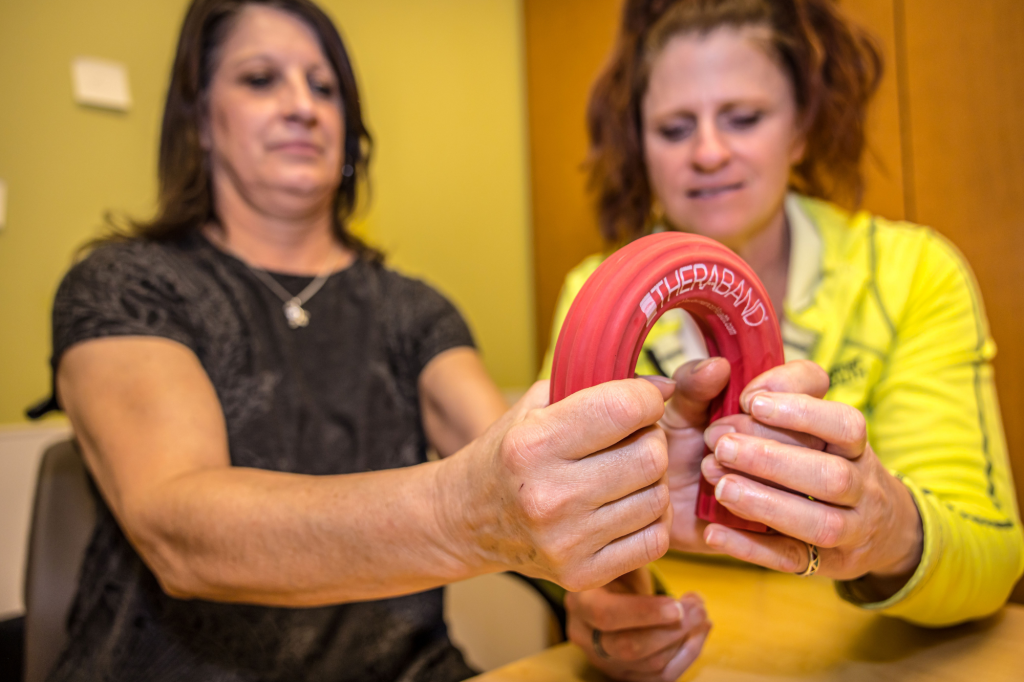
A support network helps you navigate the physical challenges of recovery, and therapists teach you new ways to manage daily tasks. Because fatigue limits your energy levels, you must schedule plenty of rest periods. Rehabilitation provides a structured path to regain lost skills. Your diet plays a role in healing.
When you return home, your physical environment needs modifications to prevent falls. Family members can assist with these adjustments, and they provide support during difficult days. You should make the following changes:
- Clear all walkways in your home to reduce tripping hazards.
- Place items you use daily within easy reach.
- Install grab bars in the bathroom for extra stability.
Warning Signs
You should monitor your body for unusual changes, and your caregiver must watch for signs of complications. If you develop a sudden fever, you need to call your doctor immediately. Severe headaches indicate potential issues. Seizures and new weakness in your arms or legs warrant a prompt medical evaluation.
Incision care dictates a large part of your daily routine. The surgical site must remain clean, and you should check it daily for redness or discharge. As the skin heals, it might itch or feel tight. Since infections spread rapidly, you must report any unusual drainage to your medical team.
Changes in your vision or speech require immediate action to diagnose the issue. Family members usually notice cognitive shifts first, and they should contact the clinic right away. Confusion signals a problem that needs quick evaluation.
Support Your Brain Surgery Recovery
Recovering from a neurological operation requires patience, and you will adapt to new routines over time. While the journey presents challenges, proper preparation makes the transition back to daily life smoother. To learn more about recovery after brain surgery, consult a healthcare provider near you.