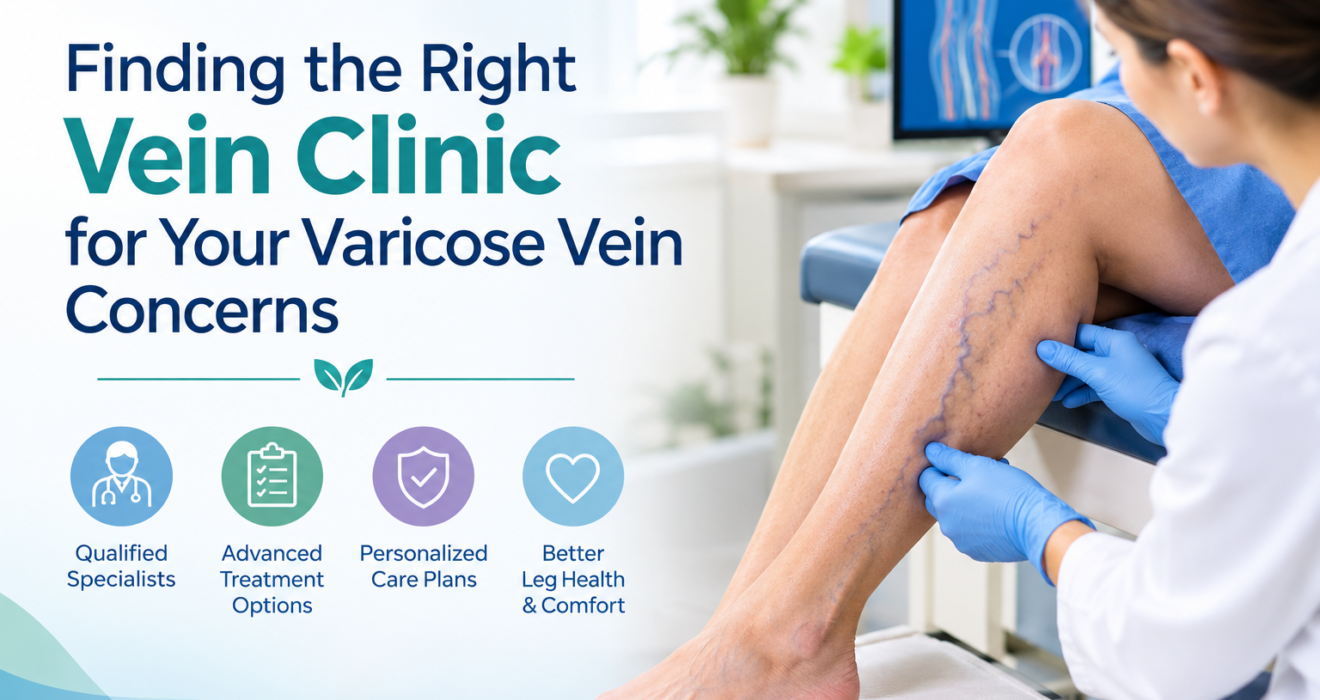
When varicose veins appear on your legs, they can cause aching, swelling, or visible bulging. A vein clinic specializes in diagnosing and treating these vein problems. Some clinics offer a wide range of procedures, but others focus on only one or two. Here are some specific questions to ask before you book your first consultation:
Evaluate Treatment Options
Your provider will recommend one option, but you have the right to ask about alternatives. Before you commit to a plan, learn how each vein clinic treatment works. Each method suits a different type and size of vein. Here are three standard choices:
- Endovenous ablation: A thin catheter uses laser or radiofrequency heat to seal a larger vein from inside.
- Medical adhesive: A provider places a small amount of medical-grade glue inside the vein to close it.
- Injected sclerotherapy: A provider injects a solution that closes small veins, which then fade over several weeks.
Sclerotherapy typically treats spider veins and smaller surface issues, which can appear alongside this condition. Ablation and adhesive target larger veins that lie deeper under the skin. Some options require compression stockings afterward, and others do not. Ask how many sessions your plan involves and what each session costs.
Seek an Individualized Approach
Varicose veins develop for different reasons in different people. A clinic that recognizes this will begin with a detailed health history and a physical exam. The provider may ask about your job, and they may also ask about pregnancies or family history. Long hours of standing or sitting affect how blood moves through your legs.
Some patients mainly notice spider veins, and others feel heaviness or cramping by the end of the day. Each set of symptoms points toward a different plan. If a clinic recommends the same procedure for every patient, you may want a second opinion.
Before you arrive, write down your symptoms and your questions about recovery time. Bring a list of current medications, and mention any history of blood clots. A personalized plan accounts for your schedule, budget, and medical needs.
Prioritize Minimally Invasive Procedures
Vein stripping once served as the standard surgery for varicose veins. Today, many clinics use office-based methods, and most require only local anesthesia. Since these procedures rely on small needles or a thin catheter, they avoid large incisions.
Patients typically walk out of the clinic on their own, and you might resume light activity within a day or two. Your provider will explain activity limits, which may include no heavy lifting for a short period. Ask about appointment availability, including evening or weekend hours. Clear pre-care and post-care instructions help you plan time away from work.
Ask About Ultrasound Equipment
Varicose veins may start with faulty valves deeper in the leg, and these problems stay hidden from the surface. Ultrasound shows blood flow and valve function in real time. When a clinic performs this scan on-site, you skip a separate appointment at another facility. Bring these questions to your consultation:
- Does the clinic perform duplex ultrasound on-site?
- Who performs the scan, and what credentials do they hold?
- Does the provider use ultrasound guidance during each procedure?
- Will you receive a follow-up scan after treatment?
Visit a Vein Clinic Today
Choosing a vein clinic takes some research and a few direct questions. Review staff credentials and patient reviews, and compare the procedures on each clinic’s menu. Once you have a short list, schedule a consultation and bring your notes. The provider will examine your legs and explain the options that fit your situation.