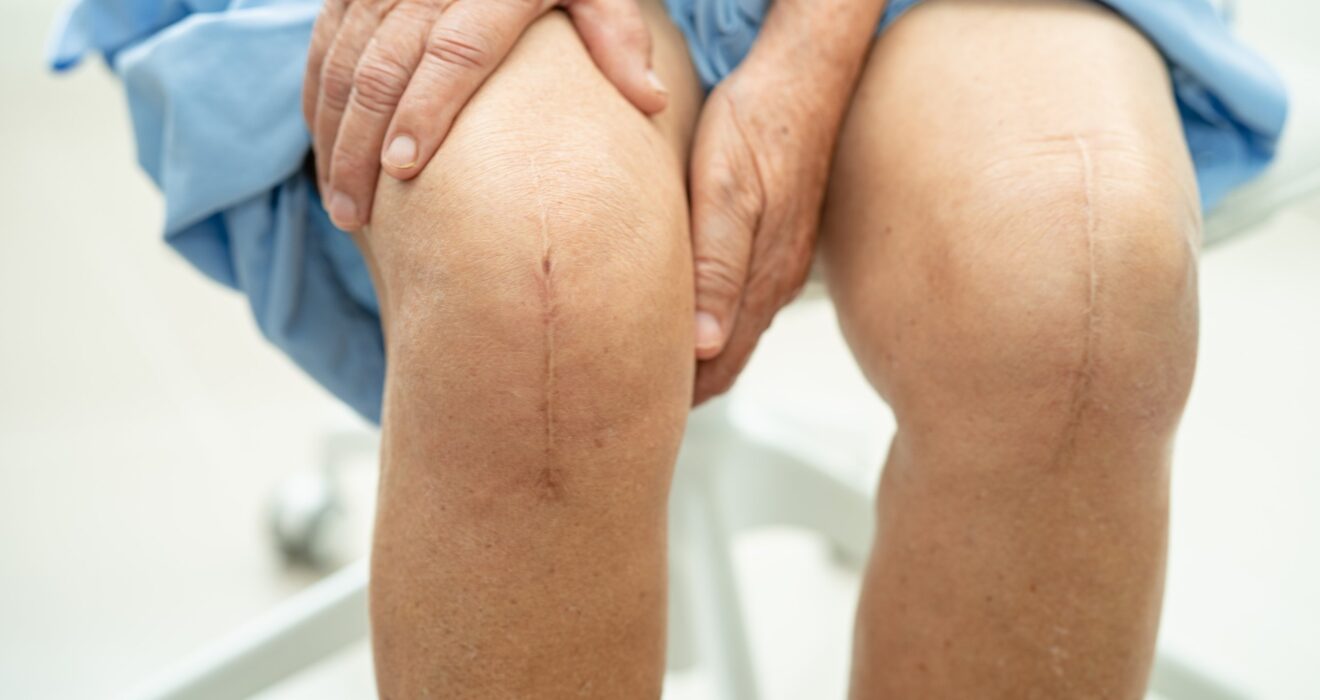
Knee replacement surgery replaces damaged joint surfaces with metal and plastic parts. Surgeons perform hundreds of thousands of these procedures in the U.S. each year, and many patients go home within one to three days. Because results differ from person to person, it helps to understand the factors that shape recovery. This post covers four of the main areas.
Underlying Conditions
Conditions that affect your whole body may influence knee replacement recovery. Some conditions slow tissue repair, and others raise the risk of infection or blood clots. Good control of these conditions before surgery may lower your risk. Your surgeon will look closely at the following:
- Diabetes, especially with high blood sugar
- Rheumatoid arthritis or inflammatory diseases
- Obesity issues
- Heart or lung disease
- History of blood clots
Surgical Techniques
Surgeons choose between total and partial knee replacement, and each option fits a different pattern of joint damage. A total replacement resurfaces all three compartments of the knee, while a partial replacement treats only one. Your surgeon will review X-rays or MRI scans to match the procedure to your joint.
When surgeons use computer navigation, they gain more precise data on implant position. Implant alignment affects joint motion and long-term wear. Since results can vary, ask your surgeon about their experience with this approach. Navigation tools may also add time to the procedure.
Surgical approach plays a role as well. Some surgeons use a muscle-sparing incision that limits disruption to the quadriceps tendon. Minimally invasive surgery may shorten early recovery for some patients, but it does not suit every knee or body type. Your surgeon will explain the approach and the reasons behind it.
Overall Patient Health
Your general health before surgery matters, and small changes in the weeks beforehand may help. Smoking slows post-surgery healing and raises infection risk. If you smoke, your surgeon may ask you to quit at least four weeks before your procedure. Adequate protein intake supports muscle and tissue repair.
Leg strength before surgery affects recovery. A physical therapist may teach you “prehab” exercises, or your surgeon may give you a home program. When you reduce excess weight, you lower the daily stress on your new joint. Your primary care doctor may also adjust certain medications before your surgery date.
Post-recovery Care
Recovery continues for months after you leave the hospital. Most people use a walker or cane at first, and many return to light activity within about six weeks. Since scar tissue forms quickly, regular physical therapy helps maintain knee bend and strength. Follow these steps during recovery:
- Attend every scheduled physical therapy session
- Do your home exercises daily
- Take blood thinners and pain medicine as prescribed
- Report redness, fever, drainage, or calf swelling right away
- Keep all follow-up appointments with your surgeon
Recovery after surgery requires consistency and communication with your care team. While some stiffness or soreness is normal, sticking to your prescribed exercises supports steady progress and helps prevent complications. If you stay dedicated to your therapy and actively monitor any unusual symptoms, like swelling or fever, you can address potential issues before they become serious.
Schedule a Knee Replacement Consultation
Before you decide on surgery, a surgeon will review your imaging, health history, and daily activity goals. Each knee differs, and a personal evaluation gives you a clearer picture of your options. Bring a list of your medications and questions to your visit. Contact our office to schedule a knee replacement consultation.