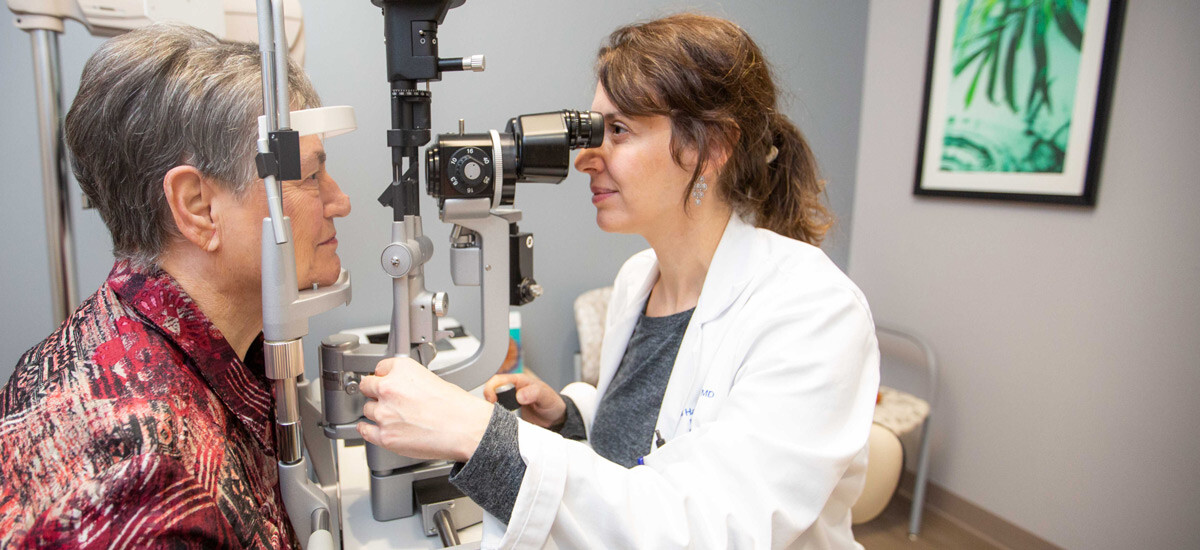
Diabetes is a chronic condition affecting millions of people worldwide. While many are aware of the risks associated with high blood sugar, fewer understand how diabetes can affect the eyes. One of the most serious eye complications of diabetes is diabetic retinopathy, a condition that can lead to vision loss if left untreated. An ophthalmologist for diabetic retinopathy is a medical specialist who plays a crucial role in managing and preventing the progression of this disease.
This article will explain what diabetic retinopathy is, why you should see an ophthalmologist, what treatments are available, and how regular care can preserve your vision.
What is Diabetic Retinopathy?
Diabetic retinopathy is a complication of diabetes that affects the blood vessels in the retina, the light-sensitive tissue at the back of the eye. High blood sugar levels over time can damage these tiny vessels, causing them to leak fluid or bleed. This damage can result in vision problems ranging from mild blurriness to complete vision loss.
There are two main stages of diabetic retinopathy:
- Non-proliferative diabetic retinopathy (NPDR) – Early-stage retinopathy where blood vessels in the retina are weakened. Patients may not notice symptoms, making regular eye exams critical.
- Proliferative diabetic retinopathy (PDR) – Advanced-stage retinopathy where new, abnormal blood vessels grow on the retina. These vessels can bleed, causing severe vision impairment and even blindness if untreated.
Other related issues include diabetic macular edema (DME), which occurs when fluid leaks into the macula, the part of the retina responsible for sharp central vision.
Why See an Ophthalmologist for Diabetic Retinopathy?
An ophthalmologist is a medical doctor trained in eye care, capable of diagnosing and treating complex eye diseases. For diabetic retinopathy, ophthalmologists are essential for several reasons:
- Early Detection: Many people with diabetic retinopathy do not have symptoms initially. Ophthalmologists use advanced imaging tools to detect damage before vision loss occurs.
- Specialized Treatment: Depending on the severity, ophthalmologists can provide laser therapy, injections, or even surgery to prevent further eye damage.
- Monitoring Progression: Diabetic retinopathy can worsen quickly. Regular follow-ups with an ophthalmologist help track changes in your retina and adjust treatment plans as needed.
- Preventing Complications: Timely intervention can reduce the risk of blindness and other diabetes-related eye complications.
Signs and Symptoms That Require an Eye Check
Even if you do not notice vision problems, it is important to schedule regular eye exams if you have diabetes. Some symptoms that may indicate diabetic retinopathy include:
- Blurred or distorted vision
- Dark spots or floaters in your vision
- Difficulty seeing at night
- Sudden vision loss
- Color vision changes
Remember, the absence of symptoms does not mean your eyes are healthy. Many people experience damage long before they notice changes in their vision.
Diagnosis and Eye Examination
An ophthalmologist for diabetic retinopathy uses a combination of tools and tests to evaluate the condition:
- Dilated Eye Exam: Eye drops are used to widen the pupils so the doctor can examine the retina and look for signs of bleeding, swelling, or abnormal blood vessel growth.
- Optical Coherence Tomography (OCT): This imaging technology captures detailed cross-sectional images of the retina to detect fluid accumulation or thickening.
- Fluorescein Angiography: A dye is injected into the bloodstream to highlight leaking blood vessels in the retina.
These tests help the ophthalmologist determine the stage of retinopathy and guide the treatment plan.
Treatment Options for Diabetic Retinopathy
Treatment depends on the severity of the condition. Common approaches include:
1. Lifestyle Management
Good blood sugar control, healthy blood pressure, and cholesterol management can slow the progression of diabetic retinopathy. Regular exercise and a balanced diet are also beneficial.
2. Medication
Anti-VEGF injections (vascular endothelial growth factor inhibitors) are used to reduce abnormal blood vessel growth and fluid leakage in the retina. Steroid injections may also be recommended in some cases.
3. Laser Treatment
Laser therapy can seal leaking blood vessels and prevent the growth of new, fragile vessels. This treatment is often used in proliferative retinopathy.
4. Surgery
In severe cases, a vitrectomy may be performed to remove blood or scar tissue from the eye and restore vision.
Preventive Measures
Preventing diabetic retinopathy or catching it early is much easier than reversing damage. Key preventive strategies include:
- Regular comprehensive eye exams (at least once a year for people with diabetes)
- Strict blood sugar, blood pressure, and cholesterol control
- Avoiding smoking and maintaining a healthy lifestyle
- Promptly reporting any vision changes to your ophthalmologist
Choosing the Right Ophthalmologist
Not all eye doctors have specialized experience in diabetic retinopathy. When looking for an ophthalmologist, consider:
- Board certification and specialization in retinal diseases
- Experience with diabetic eye conditions
- Access to advanced imaging and treatment technologies
- Positive patient reviews and clear communication style
Your eye doctor should work closely with your primary care physician or endocrinologist to manage your diabetes effectively.
Living with Diabetic Retinopathy
Living with diabetic retinopathy requires ongoing care and vigilance. Following your ophthalmologist’s recommendations, maintaining good overall health, and attending regular follow-ups can help preserve your vision. Many people with early-stage diabetic retinopathy maintain excellent eyesight for years when properly managed.
Conclusion
Diabetic retinopathy is a serious but manageable complication of diabetes. An ophthalmologist for diabetic retinopathy is a critical partner in detecting, treating, and preventing vision loss. Through early diagnosis, specialized treatment, and regular monitoring, it is possible to protect your eyesight and maintain a high quality of life.
Taking diabetes seriously means taking your eyes seriously. Don’t wait for symptoms to appear—schedule an eye exam today.
FAQs About Ophthalmologists for Diabetic Retinopathy
1. How often should a diabetic patient see an ophthalmologist?
People with diabetes should have a comprehensive eye exam at least once a year. If retinopathy is detected, the ophthalmologist may recommend more frequent visits.
2. Can diabetic retinopathy be cured?
While there is no complete cure, early detection and treatment can effectively prevent vision loss and manage the condition.
3. Are there any symptoms in the early stage of diabetic retinopathy?
Early-stage diabetic retinopathy often has no symptoms. Regular eye exams are essential for early detection.
4. Is treatment painful?
Most treatments, including eye injections and laser therapy, are performed under local anesthesia or numbing drops, so discomfort is minimal.
5. Can lifestyle changes reverse diabetic retinopathy?
Lifestyle changes alone cannot reverse the condition, but good blood sugar control, healthy diet, and regular exercise can slow its progression.