Arthritis and bone disorders are common health challenges that affect millions of people worldwide. These conditions can cause pain, stiffness, reduced mobility, and significantly impact a person’s quality of life. Understanding the treatments available for these conditions is essential for managing symptoms and improving overall well-being. This guide provides a clear, comprehensive overview of treatment options, lifestyle strategies, and frequently asked questions about arthritis and bone disorders.
Understanding Arthritis and Bone Disorders
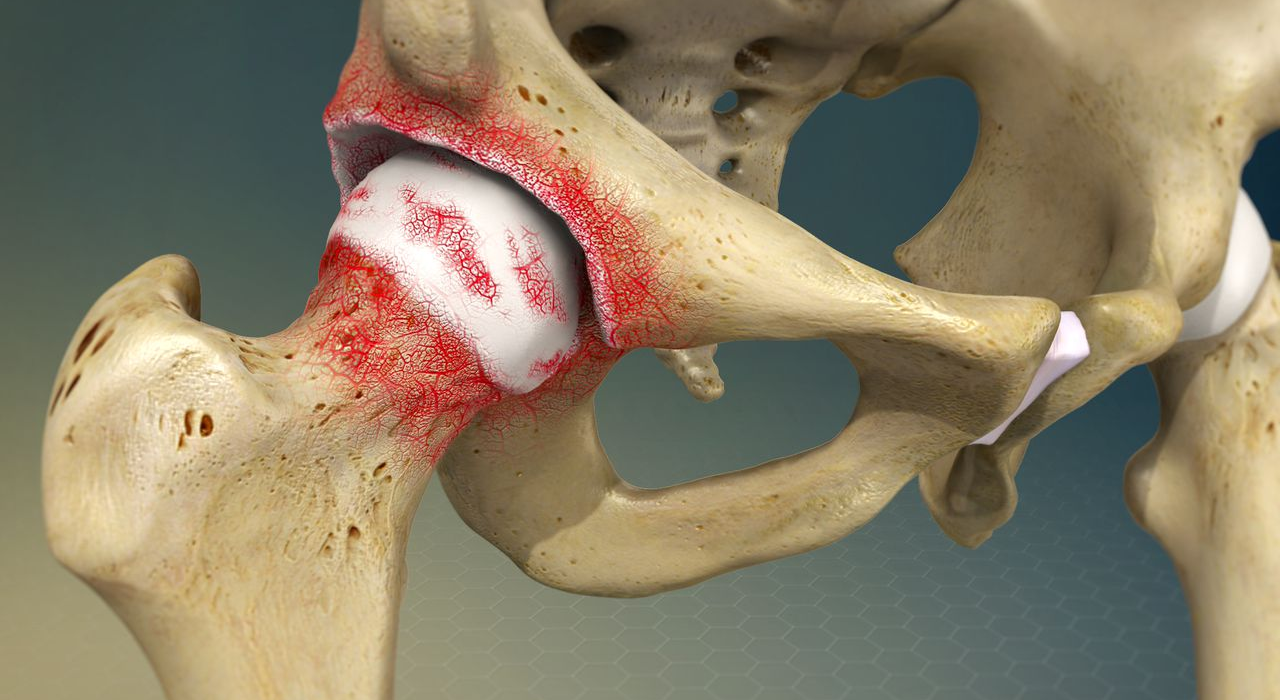
Arthritis is a condition that primarily affects the joints, leading to inflammation, pain, and swelling. There are more than 100 types of arthritis, but the most common are osteoarthritis and rheumatoid arthritis. Osteoarthritis occurs when the protective cartilage at the ends of bones wears down over time. Rheumatoid arthritis, on the other hand, is an autoimmune disease where the immune system mistakenly attacks the joints.
Bone disorders include conditions like osteoporosis, osteopenia, Paget’s disease, and bone cancer. Osteoporosis, the most prevalent bone disorder, causes bones to become weak and brittle, increasing the risk of fractures. Paget’s disease disrupts normal bone growth, causing bones to become misshapen and fragile. These conditions can develop due to aging, hormonal changes, genetic factors, nutritional deficiencies, or a combination of these factors.
Because arthritis and bone disorders are often chronic, early diagnosis and consistent treatment are crucial to slow progression and maintain an active lifestyle.
Goals of Treatment
The primary goals of treatment for arthritis and bone disorders include:
- Pain Relief: Reducing discomfort in joints or bones.
- Improved Mobility: Restoring or maintaining movement.
- Slowing Disease Progression: Protecting joints and bones from further damage.
- Enhancing Quality of Life: Allowing patients to maintain independence in daily activities.
Treatment Options for Arthritis
1. Medications
Medications play a vital role in managing arthritis symptoms:
- Nonsteroidal Anti-Inflammatory Drugs (NSAIDs): Drugs like ibuprofen or naproxen reduce pain and inflammation.
- Analgesics: Pain relievers such as acetaminophen help control discomfort without targeting inflammation.
- Corticosteroids: These powerful anti-inflammatory medications can be injected into joints or taken orally for short periods.
- Disease-Modifying Antirheumatic Drugs (DMARDs): Used mainly for rheumatoid arthritis, these medications slow disease progression by modifying the immune system response.
- Biologic Agents: These are advanced medications for severe arthritis cases, targeting specific parts of the immune system.
2. Physical Therapy
Physical therapy is essential for maintaining joint function and reducing stiffness. Therapists guide patients through exercises that improve flexibility, strength, and range of motion. Hydrotherapy, or exercises in warm water, is particularly helpful for people with arthritis because water reduces joint stress.
3. Lifestyle Modifications
Certain lifestyle adjustments can significantly reduce arthritis symptoms:
- Maintaining a healthy weight to reduce pressure on weight-bearing joints.
- Engaging in low-impact exercises like swimming, cycling, or yoga.
- Using ergonomic tools or supportive footwear to decrease joint strain.
- Practicing joint protection techniques, such as avoiding repetitive stress or heavy lifting.
4. Alternative and Complementary Therapies
Many patients find relief through complementary approaches:
- Acupuncture: Can reduce pain in specific joints.
- Massage Therapy: Helps relax muscles surrounding stiff joints.
- Supplements: Glucosamine, chondroitin, and omega-3 fatty acids may support joint health.
5. Surgery
Surgical interventions are considered when medications and lifestyle changes are insufficient:
- Joint Replacement Surgery: Common for hips and knees severely affected by osteoarthritis.
- Arthroscopy: Minimally invasive surgery to remove damaged tissue.
- Osteotomy: Surgery to realign bones and relieve joint pressure.
Treatment Options for Bone Disorders
1. Medications
Bone disorders often require specialized medications:
- Bisphosphonates: Strengthen bones and reduce fracture risk in osteoporosis.
- Calcitonin: Helps regulate calcium levels and slows bone loss.
- Hormone Replacement Therapy (HRT): Used for postmenopausal women to maintain bone density.
- Vitamin D and Calcium Supplements: Essential for healthy bones and preventing further deterioration.
2. Physical Therapy and Exercise
Weight-bearing exercises, such as walking, jogging, or resistance training, strengthen bones and improve balance. Physical therapy can also help patients recover from fractures and maintain bone health.
3. Nutrition
A diet rich in calcium, vitamin D, protein, and magnesium supports bone health. Foods like dairy products, leafy greens, fish, and nuts provide essential nutrients for maintaining strong bones.
4. Lifestyle Changes
Avoiding smoking and limiting alcohol consumption is crucial, as both can weaken bones. Maintaining a healthy weight and engaging in regular physical activity also reduce the risk of fractures.
5. Surgical Interventions
Surgery may be required in severe cases:
- Fracture Repair: Stabilizing broken bones using pins, plates, or screws.
- Spinal Surgery: For conditions like osteoporosis-related fractures or spinal deformities.
- Bone Grafting: Replaces damaged or missing bone tissue.
Emerging Treatments
Modern medicine continues to evolve, offering new treatments for arthritis and bone disorders:
- Regenerative Medicine: Stem cell therapy and platelet-rich plasma (PRP) injections aim to repair damaged joints and bones.
- Biologics and Targeted Therapies: New drugs are being developed to target specific pathways involved in inflammation and bone degradation.
- 3D-Printed Implants: Custom implants for joint replacement provide better fit and function.
Managing Arthritis and Bone Disorders Daily
Effective management requires a combination of medical treatment, lifestyle adjustments, and self-care. Daily strategies include:
- Monitoring symptoms and adjusting activities to avoid overuse of affected joints.
- Using assistive devices like canes, braces, or shoe inserts.
- Practicing stress-reduction techniques such as meditation, which can indirectly reduce pain perception.
- Regular check-ups with healthcare providers to monitor disease progression.
Frequently Asked Questions (FAQs)
1. Can arthritis be completely cured?
Currently, there is no cure for most types of arthritis. However, treatments can effectively manage symptoms, slow progression, and improve quality of life.
2. How can I prevent osteoporosis?
Maintaining a diet rich in calcium and vitamin D, exercising regularly, avoiding smoking, and limiting alcohol are key preventive measures.
3. Are natural remedies effective for arthritis?
Some natural remedies, such as turmeric, omega-3 fatty acids, and acupuncture, can help relieve symptoms, but they should complement, not replace, medical treatment.
4. When is surgery necessary for joint problems?
Surgery is considered when conservative treatments fail to relieve pain or when joint damage severely limits mobility. Common surgeries include joint replacement and arthroscopy.
5. How important is exercise for bone health?
Exercise is crucial. Weight-bearing and resistance exercises help strengthen bones, improve balance, and reduce fracture risk.
Conclusion
Arthritis and bone disorders can significantly affect daily life, but with the right combination of medications, physical therapy, lifestyle changes, and sometimes surgery, patients can manage symptoms effectively. Early diagnosis, consistent treatment, and proactive lifestyle adjustments are essential to maintaining mobility, reducing pain, and protecting bone and joint health. By staying informed and actively participating in treatment, individuals with arthritis and bone disorders can enjoy a more active and fulfilling life.