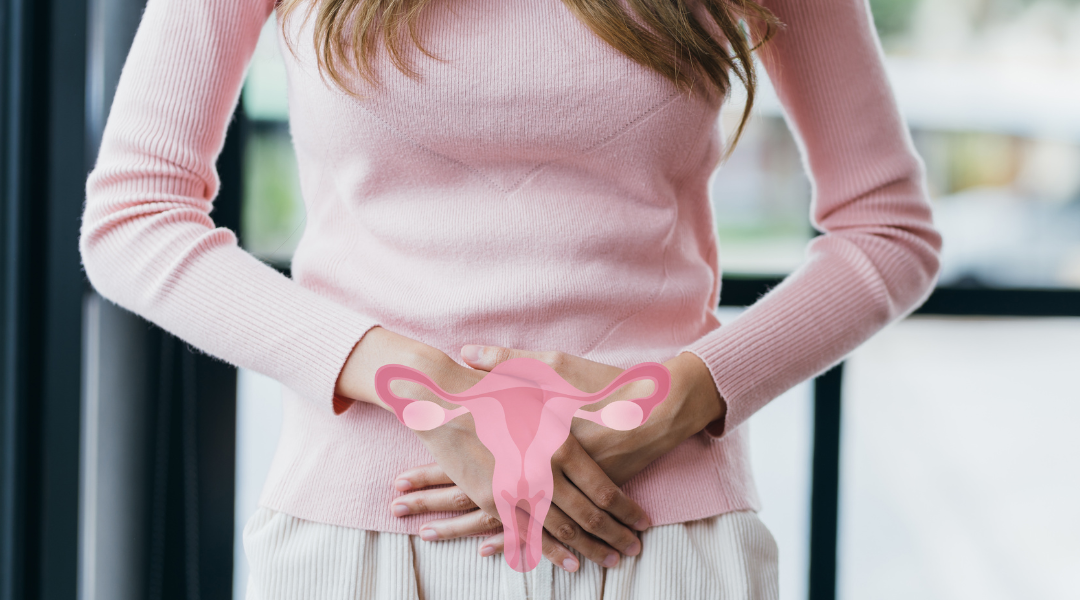
PCOS is a hormonal condition that has a direct impact on the regularity and pattern of the menstrual cycle. For some individuals, it may lead to missed periods, unpredictable timing, or other changes linked to ovulation and hormone balance. Here is a closer look at how PCOS can affect the menstrual cycle:
Irregular Menstrual Cycles
A standard menstrual cycle lasts about 28 days, but PCOS alters this timeline. Patients frequently experience extended gaps between periods. Here are key points about irregular or missed periods:
- Irregular cycle definition: A menstrual cycle that falls outside the normal range is regarded as irregular. Cycles lasting longer than 35 days are a common indicator of a disrupted pattern.
- Skipped periods: This occurs when the uterine lining fails to build up and shed properly, leading to gaps in the menstrual cycle. Missing periods for several months is classified as amenorrhea.
- Diagnostic measures: Healthcare providers use tools like ultrasound imaging to examine the ovaries and identify potential causes of the irregularity.
- Monitoring significance: Keeping accurate records of menstrual cycles supports effective diagnosis and management of the condition.
Understanding these factors and actively engaging in cycle tracking can help patients and healthcare providers work together to mitigate the impact of PCOS.
Disrupted Ovulation Patterns
Ovulation is a fundamental phase of female reproduction. During a regular cycle, the ovaries release a mature egg, and the body prepares for potential pregnancy. When a patient has PCOS, the elevated hormones prevent the ovaries from releasing an egg. This disruption alters the entire reproductive calendar.
This lack of ovulation is known clinically as anovulation. Anovulatory cycles create unpredictable bleeding patterns, and women find it difficult to predict their next cycle. Patients who experience anovulation often experience a complete change in their regular monthly rhythm. Medical intervention helps restore this balance.
Altered Bleeding Flow
Hormonal imbalances also affect menstrual flow. When the uterine lining builds up over a longer time, the eventual shedding process becomes much heavier. Doctors call this condition heavy menstrual bleeding, and it requires prompt medical evaluation. Managing this flow is a key part of treatment.
Some individuals, conversely, experience very light spotting instead of a full period. The uterine lining does not thicken properly in these specific cases, and the resulting flow remains minimal. A healthcare provider evaluates these variations whenever a patient reports them. Medications can help regulate these abnormal bleeding patterns. Doctors frequently prescribe hormonal birth control pills, and these medications help establish a predictable monthly flow.
Reduced Fertility
Regular ovulation plays a key role in achieving pregnancy. For individuals experiencing challenges, such as those caused by PCOS, medical assistance can significantly improve outcomes. Here are key concerns and interventions related to fertility:
- Impact of PCOS on Fertility: PCOS often disrupts regular ovulation, making conception more difficult.
- Medications to Induce Ovulation: Doctors may prescribe specific medications to stimulate ovulation, increasing the chances of pregnancy.
- Monitoring Treatment Progress: Patients taking ovulation-inducing medications need to closely monitor their progress and attend regular clinical check-ins to confirm effectiveness.
- Early Medical Advice: Highly unpredictable menstrual cycles require seeking medical advice to identify and address potential complications early on.
- Lifestyle Reviews: Maintaining a healthy lifestyle complements medical treatments and supports reproductive health.
Through medical interventions and proactive management, reproductive challenges can often be effectively addressed, improving the likelihood of achieving pregnancy.
Book Your PCOS Appointment Today
PCOS alters the menstrual cycle in several ways. It disrupts ovulation and changes bleeding patterns, so accurate medical diagnosis remains a fundamental requirement. Patients who experience these symptoms must consult a qualified gynecologist for professional care. Contact a qualified gynecologist near you to book your PCOS appointment today.