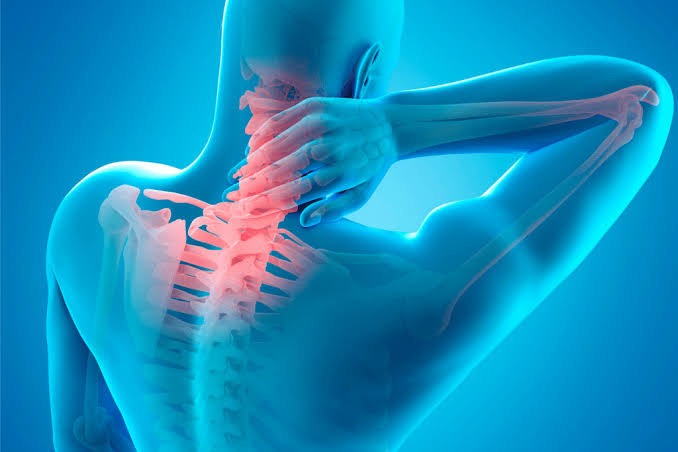
A neck injury can affect the muscles, ligaments, discs, joints, or nerves in your cervical spine. Some symptoms may appear right away, while others will develop over several days. Early steps can guide the healing process, and your plan should match the type of injury that you have.
Seek a Medical Evaluation
A medical evaluation identifies the source of your neck pain. Describe how the neck injury happened, since the cause helps your provider narrow down likely problems. Bring a list of your symptoms, including when they started and what makes them worse. Note any activities that reduce or increase discomfort, and share that information at your visit. Your provider will review your history, and they will perform a physical exam to assess your range of motion, reflexes, and muscle strength. These imaging results help your provider confirm a diagnosis, and they guide the next steps in your care plan.
Follow a Structured Care Plan
Use these early care steps to protect injured tissue and manage discomfort:
- Rest: Limit activity for the first few days, but avoid long periods of inactivity that can stiffen your neck.
- Ice: Apply for the first few days with a cloth barrier between the pack and your skin to prevent irritation.
- Heat: Use a warm compress after swelling decreases to ease muscle stiffness.
- Medication: Use over-the-counter pain relievers only as directed, and inform your provider of all medications you take.
A therapist evaluates your movement patterns, and they teach exercises that restore range of motion and build strength in supporting muscles. Physical therapy is a common part of neck injury care. Perform these exercises as instructed, and stop any movement that increases your pain. Posture matters in recovery. To reduce strain on your cervical spine, position screens at eye level. Avoid long periods of looking down at a phone or tablet. Sleep support is also part of your recovery. Use a pillow that keeps your neck aligned with your spine. Avoid sleeping on your stomach.
Discuss Advanced Treatment Options
Some neck pain continues after months of conservative care. Conservative care includes rest, physical therapy, and medication, but these methods do not resolve every case. When pain keeps you from working, sleeping, or completing daily tasks, revisit your care plan. Interventional treatments target specific nerves or pain pathways in the spine. These options are typically discussed after conservative methods have been tried for an appropriate period.
Your provider will review your imaging results and symptom history before recommending a next step. Ask about interventional options, or request a referral to a pain management specialist. A specialist can evaluate whether your pain has a clear structural cause, and they will match you with a treatment that fits your situation.
Schedule Your Neck Injury Evaluation
Healing after a neck injury follows a clear sequence. Each step builds on the one before it. Start with a medical evaluation, and follow the care plan that your provider creates. Track your symptoms closely, and share any changes at each visit. If pain persists after conservative care, ask about cervical radiofrequency ablation or an intrathecal pain pump. Contact your office to schedule an evaluation.