Minimally invasive treatments like sclerotherapy and endovenous laser treatment (EVLT) address spider veins by closing off damaged blood vessels so blood reroutes to healthier veins. Both procedures require no incisions, and they involve little to no downtime. Because these treatments are performed on an outpatient basis, patients typically resume normal activities shortly after. Here is more information on what spider veins are, how minimally invasive treatments work, and what patients can expect from the process:
What Are Spider Veins?
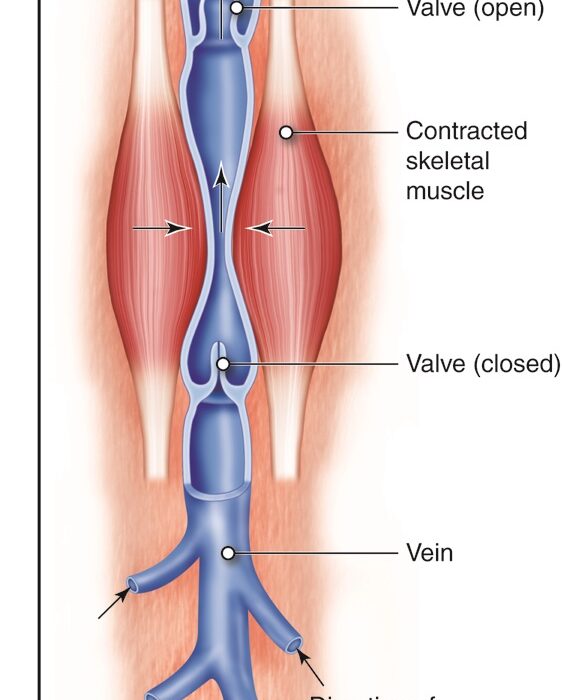
Spider veins are small, dilated blood vessels that appear close to the skin’s surface, and they are visible because of their proximity to the outer layers of tissue. They form web-like patterns. These veins commonly develop on the legs and face, though they can appear elsewhere on the body depending on individual physiological factors. Several factors contribute to their formation, including genetics, prolonged standing, hormonal changes, and age. Weak or damaged valves cause blood to pool instead of flowing efficiently back toward the heart; this disruption in circulation is the primary driver of spider vein development.
What Is Minimally Invasive Treatment?
Minimally invasive treatment refers to procedures that address spider veins without surgical incisions, and these approaches have shorter recovery periods. Two methods are sclerotherapy and endovenous laser treatment (EVLT). Since each method targets the vein differently, providers assess each patient’s needs before recommending a treatment plan.
Sclerotherapy involves injecting a solution directly into the affected vein, which irritates the vein’s lining and causes it to collapse. The vein gradually fades from view as the body absorbs the treated vessel over time. EVLT uses laser energy delivered through a thin fiber to heat and seal the vein from within, and both methods ultimately redirect blood flow to healthier veins nearby. Providers select a treatment method based on vein size, location, and patient history.
What Does It Involve?
Both sclerotherapy and EVLT are performed in an outpatient setting. Patients can return home the same day, which makes both procedures convenient for those with busy schedules. Because sclerotherapy uses a fine needle to inject the solution, patients may experience little discomfort beyond a brief pinch; a single session addresses multiple veins depending on their number and size.
EVLT requires anesthesia. Once the anesthesia is administered, the provider inserts a laser fiber into the targeted vein under ultrasound guidance, and the laser delivers controlled energy along the vein’s length as the fiber is slowly withdrawn. Patients may be encouraged to walk immediately afterward, as this supports healthy circulation.
What Are the Benefits?
Minimally invasive treatments offer several advantages over traditional surgical vein removal, including:
- Patients avoid general anesthesia, large incisions, and lengthy hospital stays.
- Results continue to improve over several weeks as the body gradually reabsorbs the collapsed vein.
- Discomfort during and after treatment may be minimal compared to surgical alternatives.
Seek Treatment Today
Spider veins develop for many reasons, from genetics to prolonged standing, and treatments like sclerotherapy and EVLT can help you achieve clearer, more comfortable skin. Both procedures close off damaged veins so blood flow naturally shifts to healthier nearby vessels. With short recovery times, minimally invasive treatment is a valuable option. If you have spider veins, schedule a consultation with a vein specialist to learn which treatment fits your needs.