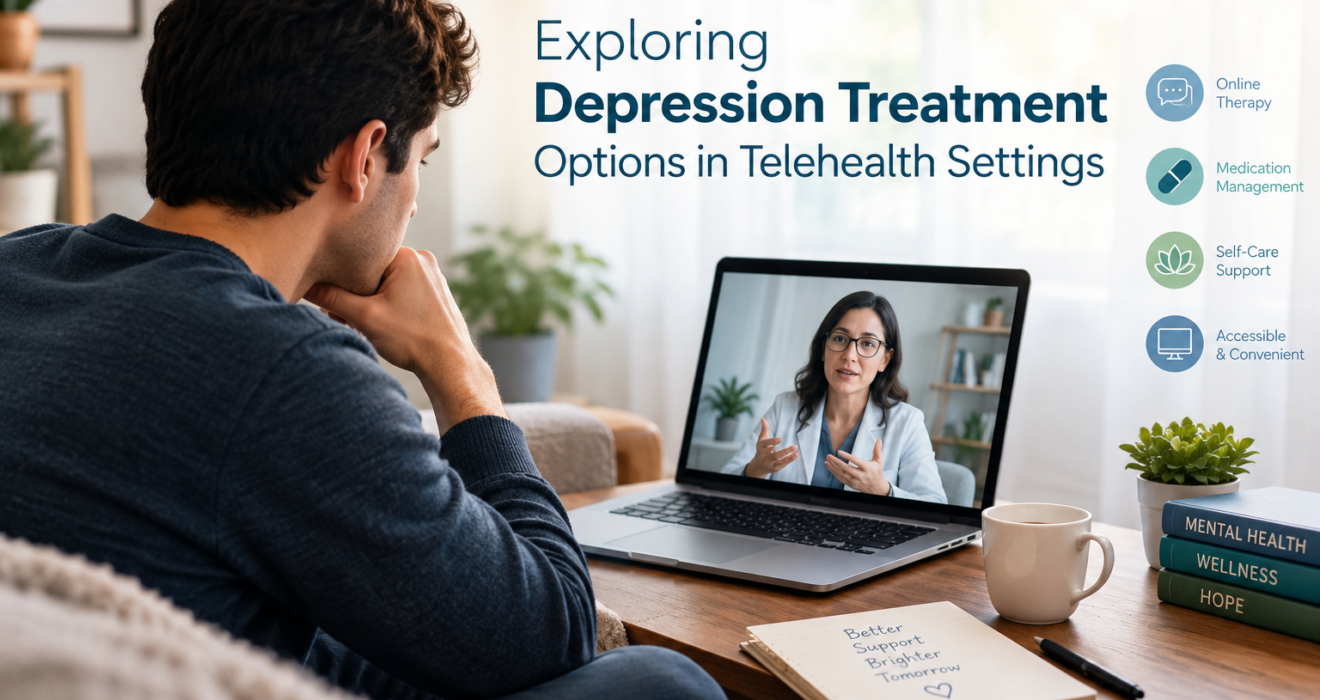
Depression is a common mental health condition that affects many adults. It can develop at any age, and it may influence how a person thinks, feels, and manages daily responsibilities. Telehealth has expanded the ways in which individuals can connect with mental health professionals, allowing them to do so through sessions from home.
What Is Depression?
Depression is a mood disorder characterized by persistent sadness or a loss of interest in activities a person previously enjoyed. Unlike a temporary low mood that may follow a difficult event, depression typically lasts for at least two weeks and affects a person’s ability to function in daily life. Depression can result from a combination of factors, and common sources include genetics, changes in brain chemistry, certain medical conditions or medications, and stressful life events.
What Are the Symptoms?
Symptoms of depression vary from person to person, and these signs range in type, frequency, and severity. A mental health professional typically evaluates whether symptoms have been present most of the day, nearly every day, for at least two weeks. There are some common symptoms that can be observed, including:
- Ongoing feeling of sadness or hopelessness
- Reduced interest or pleasure in hobbies and activities
- Appetite-related or body weight changes
- Disturbed sleeping
- Decreased energy
- Guilty feelings or feeling worthless
Symptoms may also present differently among individuals. Some people can display irritability rather than sadness, and they may suffer from physical symptoms.
How Is It Treated?
Treatment for depression may be tailored to each individual’s symptoms, history, and preferences. A provider generally begins with an assessment, and this can include questions about mood, sleep, daily functioning, and medical history. Based on this evaluation, the provider may develop a treatment plan.
Psychotherapy, also known as talk therapy, is a common approach. Cognitive behavioral therapy (CBT) focuses on identifying unhelpful thought patterns; a therapist aims to provide practical strategies to address them. Interpersonal therapy (IPT) examines how relationships and life changes may relate to mood. Lifestyle factors, including regular physical activity, consistent sleep routines, and balanced nutrition, may also be discussed as part of a broader plan.
Telehealth allows many of these services to take place remotely. Patients can participate in therapy sessions with a device, and they are able to attend follow-up visits from home. This format may reduce barriers, such as travel time, and allow individuals to fit care into their existing routines.
Seek Professional Telehealth Treatment
Seeking an evaluation when symptoms first appear gives a provider the opportunity to recommend an appropriate plan of care. To join a telehealth session, patients typically need a computer, tablet, or smartphone, along with a stable internet connection and a quiet space free from interruptions. Regular attendance and consistent participation allow a provider to track progress, and they can adjust the treatment plan as needed. Telehealth platforms may also offer secure messaging between appointments and can share information with a patient’s primary care provider. If you are experiencing symptoms of depression, contact a telehealth mental health provider to discuss your treatment options.