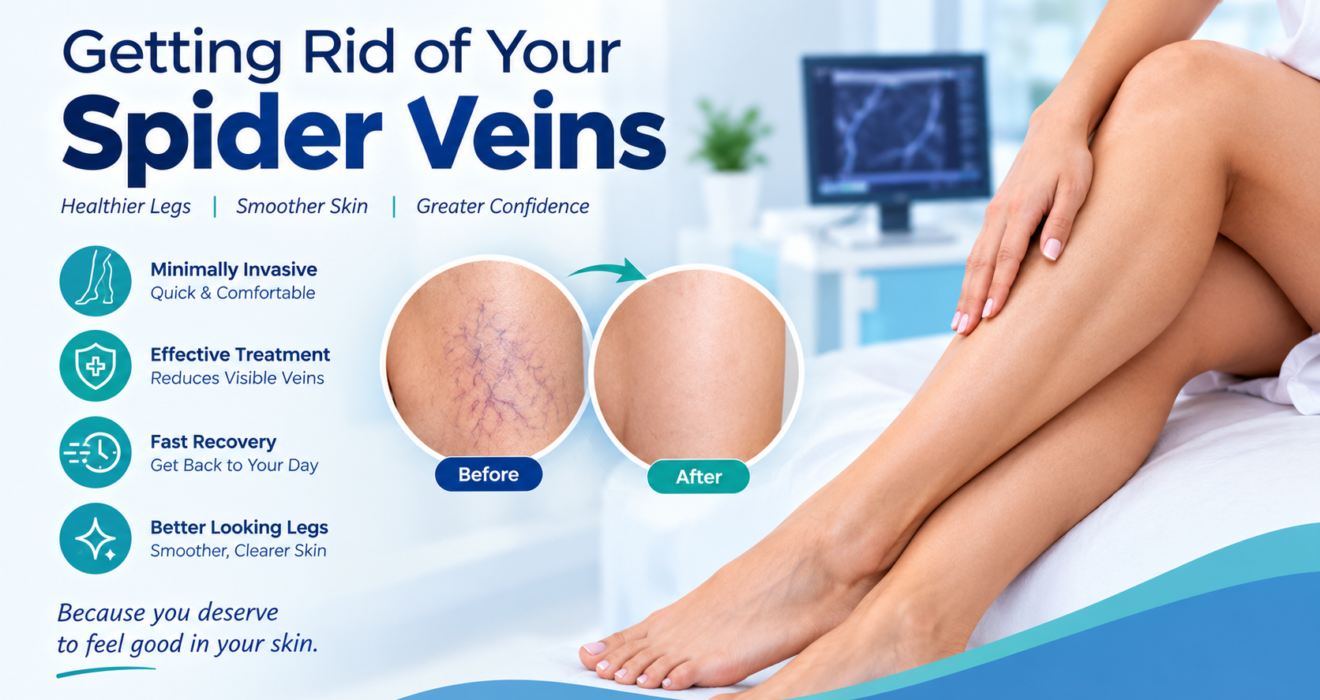
Spider veins are small, dilated blood vessels that appear just beneath the surface of the skin. They typically display in shades of red, blue, or purple, and they develop in patterns ranging from thin, straight lines to web-like clusters. Here’s more information about these veins and how to treat them:
Recognizing Contributing Factors
Several factors are linked to the development of spider veins, and knowing them helps you approach the topic with clarity.
- Genetics: These veins run in families; if close relatives have them, you may be more likely to develop them.
- Sun exposure: Prolonged time in the sun without adequate protection sometimes results in these veins on the face.
- Prolonged standing or sitting: Routines that keep you stationary for extended periods connect to spider vein development on the legs.
- Hormonal changes: Pregnancy, puberty, and menopause are life stages linked to their appearance.
- Age: These veins become more prevalent over time.
You may identify with one factor or several; a qualified provider helps review your history and clarify which apply to you.
Reviewing Treatment Approaches
Multiple established approaches address spider veins, and each works through a different mechanism. Results vary based on the individual, the severity of the veins, and the area being treated. Sclerotherapy is one of the most widely used procedures for spider veins on the legs. Because it involves a provider injecting a solution directly into the affected veins, the procedure is typically performed in an office setting. Some individuals complete multiple sessions for thorough coverage.
Laser treatments direct focused light energy at targeted veins, and this method may be used for smaller veins and those on the face. The number of sessions depends on the size of the treatment area and individual variation. Compression stockings apply steady pressure to the legs. Because they come in varying lengths and pressure levels, consulting a professional can help determine the right type. Providers sometimes recommend compression stockings alone or alongside other treatments.
Adopting Supportive Daily Habits
Daily habits play a practical role in addressing spider veins alongside professional treatment. Movement is a key habit; if your routine involves long periods of sitting or standing, short breaks to walk or stretch can support healthy circulation. Applying broad-spectrum sunscreen to exposed skin, particularly the face, is another straightforward protective measure. Elevating the legs during rest is a step people can incorporate into their day-to-day routines. Comfortable, non-restrictive clothing around the waist and legs is worth contemplating as part of an overall approach. These habits serve as practical complements to professional guidance.
Find Treatment for Spider Veins
Spider veins are a common condition with several widely available approaches for addressing their appearance. Treatment options include sclerotherapy, laser treatments, and compression stockings; practical daily habits can also support your efforts. A qualified provider is able to evaluate your veins and recommend proper treatment. Before a consultation, prepare a list of questions in advance, covering your health history, treatment timelines, and any lifestyle factors you want to address. Contact a vein care specialist today to schedule an appointment.