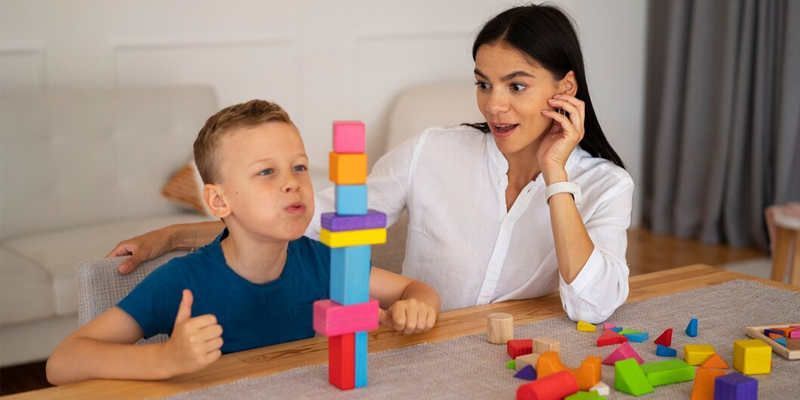
Many children reach milestones on their own timeline, but child developmental delay occurs when a young individual falls behind peers in speech, movement, thinking, or social skills. Some delays are short-term, and others last into the school years. Here is more information on testing, therapy, learning goals, and milestones to help you plan your next steps:
Autism and Hearing Tests
When a child struggles with speech, doctors may check hearing first. Hearing loss can look like a language delay in many young children. A pediatric audiologist runs the test, and results might come back the same day. Ask the audiologist for a copy of the full report.
Pediatricians screen for autism at an early age, and many use a short checklist. If the screening raises concerns, the doctor refers the child to a specialist. A full evaluation may take several hours across more than one visit.
Bring detailed notes about suspected child developmental delay to each appointment. Write down when your child first babbled, and list any skills your child stopped using. When you share specific examples from home, specialists get a clearer picture.
Speech Therapist Sessions
Once the evaluation ends, the therapist writes specific goals for your child. Sessions are typically quick, and children attend once or twice a week. A typical session includes several types of activities:
- Picture cards for naming objects
- Games that build turn-taking
- Mouth exercises for clearer sounds
- Sign language or picture boards for early communicators
Your role between sessions matters too. Therapists may send home short exercises that fit into daily routines. Practice during meals or bath time, and keep each round to a few minutes. Short, frequent practice fits busy schedules better than long drills.
Goals for Learning
Children in preschool may qualify for educational programs, and toddlers may get early intervention. Each plan lists measurable goals for the school year. Since goals use numbers, you can track progress at each review.
When you attend the meeting, ask how the school will measure each goal. A strong goal names a skill that the child will show in a specific setting. One example reads, “Sam will request help with two words in four of five tries.” The school team proposes goals, but you have the right to suggest changes.
Development Markers
Doctors track milestones in four main areas: language, movement, thinking, and social skills. Each child develops at a slightly different pace, but large gaps deserve attention. If your child misses a marker, write down the date and the skill. The CDC lists milestones that most children reach by certain ages:
- By 12 months: Waves bye-bye and calls a parent “mama” or “dada”
- By 18 months: Walks without holding on and tries to say three or more words
- By 24 months: Puts two words together, like “more milk”
- By three years: Says their first name and holds a short back-and-forth conversation
Address Child Developmental Delay
Delays differ from child to child, and no single test explains every case. When you notice a concern, visit a pediatric neurology clinic. Early intervention programs typically serve children from birth to age 3. Keep copies of every report in one folder for future meetings.