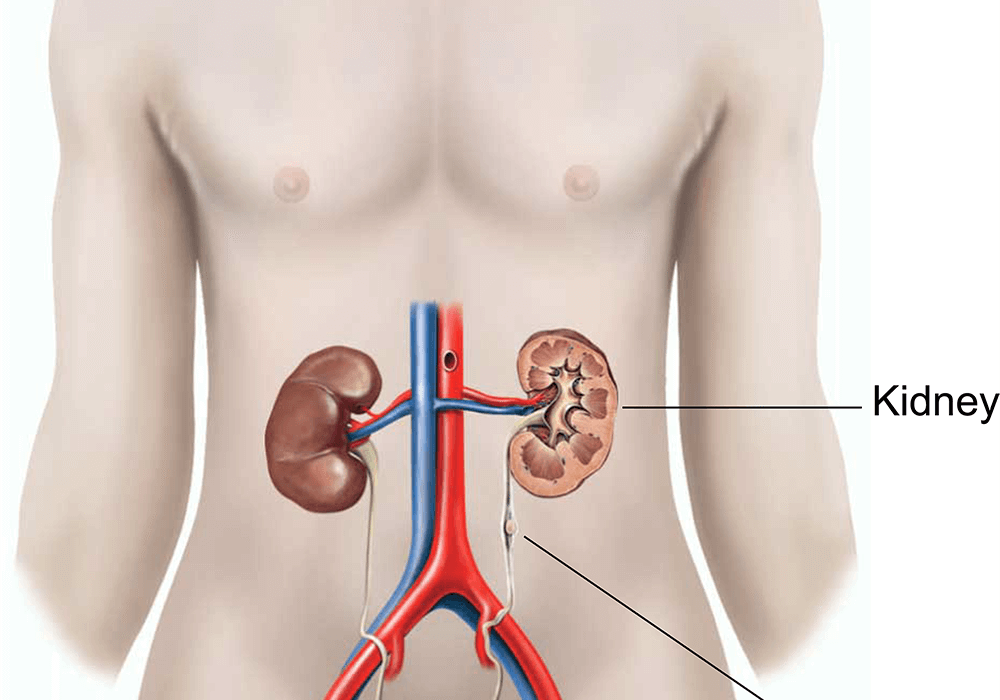
Urology is a medical specialty that addresses the urinary tract in all genders and the male reproductive system. Urologists focus on the kidneys, bladder, urethra, and prostate; these organs play a fundamental role in how the body processes and removes waste. Here’s information about some of the services urology practices offer:
Understanding Urology Care
A urologist evaluates and manages conditions involving the organs that produce, store, and remove urine. Patients sometimes access urology care through a referral from a primary care provider, or they may schedule an appointment directly. These practices serve patients across a wide range of age groups and health backgrounds. Because urological concerns vary widely, providers tailor their approach to each patient’s specific situation, health history, and needs.
Urologists evaluate a wide range of urinary concerns, including:
- Frequent urination
- Difficulty urinating
- Blood in the urine
- Recurring infections
An evaluation typically begins with a structured review of your symptoms and medical history. Your provider may then order imaging, lab work, or a bladder function test to guide the discussion about next steps. Kidney stone management is another fundamental service within urology. Stones vary in size, location, and composition, and the recommended approach depends on all three factors. Providers may use imaging to locate stones. They sometimes analyze passed stones in a lab and recommend dietary and fluid-intake adjustments. When stones require removal, urologists may use procedures such as laser therapy or other minimally invasive techniques.
Navigating Diagnostic Evaluations
Diagnostics represent a key starting point in urology care, and medical teams use a range of tests to gather the information needed before discussing next steps. A urologist may order the following services based on your situation:
- Urinalysis: A lab test that examines a urine sample for signs of irregularities.
- Blood tests: Used to check kidney function and other relevant markers.
- Imaging: Ultrasound, CT scans, or X-rays that provide a view of the urinary tract.
- Cystoscopy: A procedure that uses a thin, camera-equipped scope to examine the interior of the bladder and urethra.
Your provider will walk you through which tests apply to your case and how to prepare for each one, as preparation steps vary by test type. Routine screenings also form a key part of urology care. Screening schedules vary based on age, family history, and other factors; your provider will advise you on how often to schedule them. If you have a family history of conditions such as kidney cancer, your urologist may recommend additional monitoring based on your individual risk factors.
Reviewing Procedures and Consultations
Minimally invasive procedures make up a substantial part of urology practice. These techniques use small incisions, scopes, or energy-based tools rather than large surgical openings. They include options such as endoscopic techniques and robotic-assisted surgery. Not every procedure suits each patient, so your urologist will review all available options along with the relevant preparation steps and risks.
During a first urology consultation, your provider may review your medical history, current medications, and present symptoms; they then order any necessary tests or imaging. Bringing a written list of your symptoms and any current supplements helps the appointment run efficiently. Patients with a prostate may also receive a prostate health assessment, which sometimes includes a PSA blood test, a digital rectal exam, or further imaging.
Consult a Specialist Today
Urology services encompass diagnostics, routine screenings, urinary tract evaluations, and kidney stone management. A urologist can treat various conditions; this includes bladder cancer, pelvic organ prolapse, and sexual dysfunction. They also provide vasectomies. Each service plays a fundamental role in supporting urinary and reproductive health. To learn which services fit your needs, contact a urology practice or speak with your primary care provider today.