The anterior cruciate ligament (ACL) connects the thighbone to the shinbone and helps stabilize the knee, especially during movement. ACL tears occur during sudden stops, pivots, jumps, or changes in direction, as in sports like soccer, basketball, and football. Orthopedic specialists evaluate the extent of the injury, recommend treatment options, and guide patients through each stage of recovery. They aim to help restore knee stability and function, allowing patients to return to daily activities and, when appropriate, to sports. Here’s information on how to navigate recovery after an ACL tear:
Diagnosing ACL Injuries
To diagnose an injury, an orthopedic specialist will start by asking how it happened and what symptoms followed. Many patients report hearing or experiencing a “pop” at the moment of a knee injury. The orthopedic specialist then performs a physical exam to check the knee’s swelling, range of motion, and stability. Several hands-on tests help assess the anterior cruciate ligament, and excessive knee movement during these tests may indicate a tear.
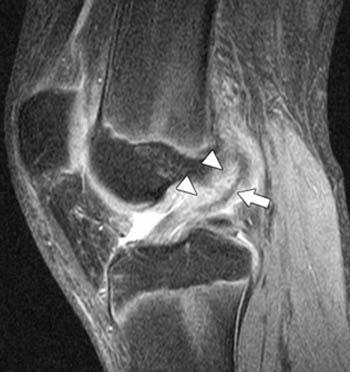
Imaging can also help confirm an ACL tear diagnosis. X-rays do not show ligaments, but they can rule out fractures. Magnetic resonance imaging (MRI) provides detailed soft-tissue images, helping the specialist determine whether the tear is partial or complete. An MRI also helps reveal damage to nearby structures, such as the meniscus or other knee ligaments. After diagnosis, a specialist determines the appropriate treatment based on the injury severity.
Recovering From a Tear
Many people notice that their knee feels unstable or “gives way” when they walk or bear weight after an ACL tear. Some common symptoms of an ACL tear include rapid swelling, pain, reduced range of motion, and tenderness along the joint line. Bracing is one tool for managing these symptoms, as a knee brace provides external support and may help limit movements that strain the injured ligament. Some patients wear a brace during daily activities, while others use one mainly during physical activity. The type of brace and how long it’s used depend on the individual case.
Physical therapy is also central to many ACL recovery plans. A physical therapist designs a program to restore range of motion, reduce swelling, and strengthen the muscles that support the knee, including the:
- Quadriceps
- Hamstrings
- Hips
Balance exercises help retrain how the knee responds to movement. Some patients with partial tears or lower activity demands may manage their condition with bracing and therapy alone, but others require surgery.
Treating a Tear
Before recommending surgery, orthopedic specialists assess a tear’s severity, the patient’s age and activity level, and whether other knee structures are damaged. Because a torn ACL typically does not heal on its own, surgeons replace it with a graft. The graft may come from the patient’s own patellar, hamstring, or quadriceps tendon, or from a donor. Most ACL reconstructions are performed arthroscopically, meaning the surgeon uses a small camera and specialized instruments inserted through small incisions.
The procedure is usually done on an outpatient basis, so many patients return home the same day. Surgical reconstruction is often discussed for patients with complete tears, ongoing instability, or plans to return to sports that involve cutting and pivoting. Before surgery, specialists may recommend physical therapy to reduce swelling and restore motion.
After surgery, patients follow a structured rehabilitation program that progresses over several months. Early phases focus on regaining motion and controlling swelling, and later phases focus on building strength, balance, and sport-specific skills. The timeline for returning to sports varies, and the care team evaluates each patient’s progress before clearing them for full activity.
Manage Your ACL Tear Recovery
Recovering from an ACL tear takes time, structure, and consistent care, but an orthopedic clinic can support your needs. Sports medicine specialists understand the physical demands of different physical activities and can tailor recovery goals accordingly. If you have injured your knee, schedule an evaluation with a sports injury clinic to discuss your recovery options.