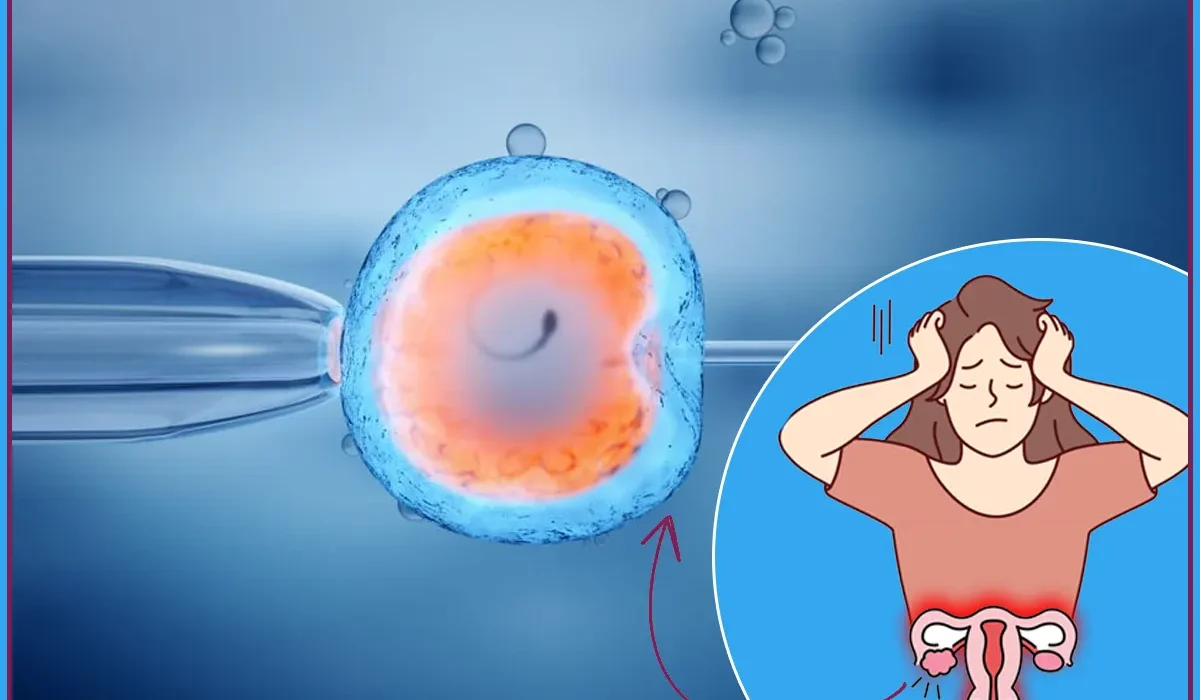
In vitro fertilization (IVF) is a fertility treatment in which eggs are retrieved from the ovaries and combined with sperm in a laboratory. After fertilization, doctors transfer an embryo to the uterus. The process bypasses several steps of natural conception, so doctors often recommend it when specific medical conditions make pregnancy difficult. Here are some reasons you should review IVF treatment:
Damaged Fallopian Tubes
The fallopian tubes carry eggs from the ovaries to the uterus, and fertilization normally happens inside them. When the tubes are blocked or scarred, the egg and sperm may never meet. Common causes include pelvic inflammatory disease, endometriosis, past ectopic pregnancies, and prior pelvic surgery. Some tubal damage produces no symptoms at all. If both tubes are blocked, IVF is often the first treatment discussed, since fertilization takes place outside the body. A fluid-filled blocked tube may need surgical treatment before an embryo transfer.
Recurrent Pregnancy Loss
Recurrent pregnancy loss refers to having two or more miscarriages. Chromosomal abnormalities in the embryo account for many early losses, while uterine shape or hormonal imbalances play a role in others. When this occurs, a specialist can help identify possible causes and discuss appropriate next steps.
IVF paired with preimplantation genetic testing allows embryos to be screened for chromosomal problems before transfer. Doctors often suggest this option when one partner carries a known genetic variant. Not every case calls for IVF, and some causes respond to medication or surgery instead. Blood tests and uterine imaging help your doctor recommend a path.
Diminished Ovarian Reserve
Ovarian reserve is the number of eggs remaining in the ovaries, and it declines with age. It may also decline faster because of genetics, chemotherapy, or ovarian surgery. Doctors measure reserve with:
- Anti-Müllerian hormone: This blood test measures AMH levels, which can estimate the number of eggs remaining in the ovaries.
- Follicle-stimulating hormone: This blood test measures FSH levels; this indicates how the ovaries respond to the hormones that stimulate egg development.
- Antral follicle count: This ultrasound counts the follicles in the ovaries and estimates how many eggs are available for development.
Low results do not mean pregnancy is impossible, but they often suggest that the window for treatment with your own eggs may be shorter. Because IVF stimulates the ovaries to produce several eggs in one cycle, specialists sometimes recommend trying it sooner than other options. Low ovarian reserve can also reduce the number of eggs retrieved during treatment.
Irregular Ovulation
Irregular ovulation, which makes it difficult to predict fertile days, is a common challenge for individuals trying to conceive. Polycystic ovarian syndrome (PCOS) is a primary cause, but thyroid disorders and large changes in body weight may also disrupt the menstrual cycle. Treatment usually starts with oral medications to prompt ovulation. IVF may be recommended when three to six cycles of medication do not lead to pregnancy, or when irregular ovulation occurs alongside another factor.
Learn More About IVF
Each of these signs calls for testing and a conversation with a qualified fertility specialist. A diagnosis shapes which treatment fits your situation, and IVF is one option for conception. Outcomes depend on age, health history, and the specific cause of infertility. Schedule a consultation with a fertility specialist today to discuss if IVF is right for you.