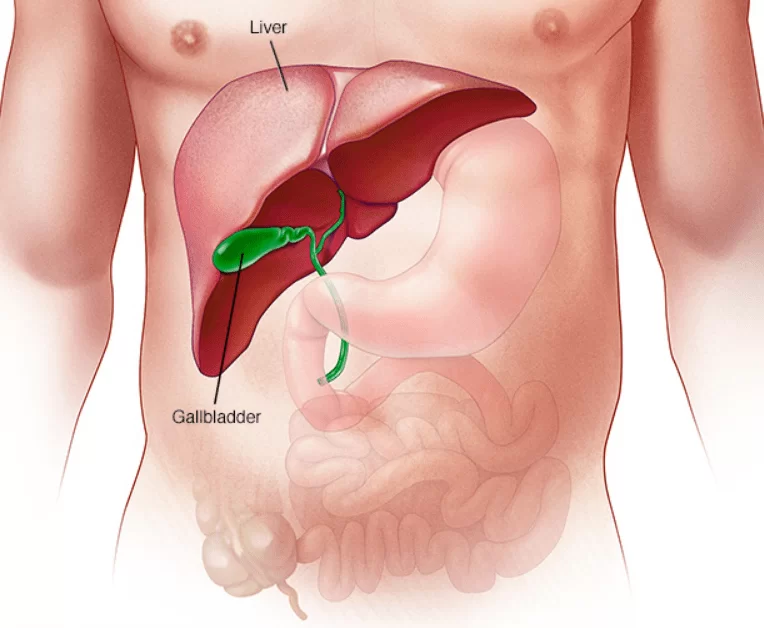
Gallbladder removal is a surgical procedure to remove the small organ that stores bile beneath the liver. Also known as a cholecystectomy, the procedure is typically performed laparoscopically through several small incisions, although some cases require a larger open incision. Recovery varies from person to person, and your surgical team will tailor its instructions based on the type of procedure, your health history, and other individual factors. Here are some tips to support a smooth recovery after gallbladder removal:
Pace Your Physical Activity
Movement plays a key role in many recovery plans. Most care teams encourage short walks soon after surgery, since light walking offers benefits such as improved lung function. Start with just a few minutes at a time, and extend the distance gradually as your provider approves. Lifting restrictions are also a fundamental part of early recovery. Your surgeon may set a weight limit for the first several weeks, and they sometimes advise against lifting groceries, children, or laundry baskets during that time. Ask your surgical team before attempting any task that involves lifting. Return-to-work and driving timelines vary by patient and job type. Desk roles may allow an earlier return than physically demanding positions, while driving typically depends on whether you still take prescription pain medication. Confirm both dates with your surgeon so you can plan your schedule accordingly.
Adjust Your Eating Habits
Because the gallbladder stores bile, its removal changes how bile flows into the intestine, and gradual dietary adjustments support that transition. Providers may suggest starting with smaller, more frequent meals during the first days of recovery. Light options suit the early recovery period well; they may place less demand on digestion. When you reintroduce other foods, add them one at a time and note how your body responds.
Fat intake deserves focused attention following gallbladder removal surgery. Fried foods, rich sauces, and fatty cuts of meat may cause digestive upset for some patients; providers sometimes recommend limiting these items initially. A registered dietitian offers helpful guidance if you want a more structured meal plan. Staying hydrated throughout the day supports recovery as well, so drink water regularly unless your care team directs otherwise.
Follow Your Care Plan
Incision care starts the day you return home, so follow your surgeon’s instructions on bandage changes and showering. Keep each site clean and dry. You may also need to avoid baths, pools, and hot tubs until your provider gives clearance. A daily check of each incision helps you spot changes early, and a quick photo each morning provides a visual record.
Medication management requires close attention. Take all prescriptions exactly as directed, and ask your pharmacist about interactions with over-the-counter products. Since some pain medications affect bowel habits, ask your provider whether a stool softener fits your plan.
Follow-up appointments are a key part of the recovery process, as they allow your provider to monitor your progress and address any concerns. Schedule your post-operative visit before leaving the hospital, and ask when you should contact your surgical team before that appointment. Reach out promptly if you notice any of the following:
- Fever or chills
- Redness, warmth, swelling, or drainage at an incision site
- Yellowing of the skin or eyes
- Persistent nausea or vomiting
- Abdominal pain that worsens instead of improving
Learn More About Gallbladder Removal
Gallbladder removal may be recommended for conditions such as biliary dyskinesia when symptoms and diagnostic testing support surgery. A smooth recovery after the procedure involves gradually increasing activity, making dietary adjustments as needed, and following your surgical team’s care instructions. Attend your scheduled appointments, and monitor your incisions for changes during recovery. Contact your surgical team with any concerns, questions, or changes in your symptoms.