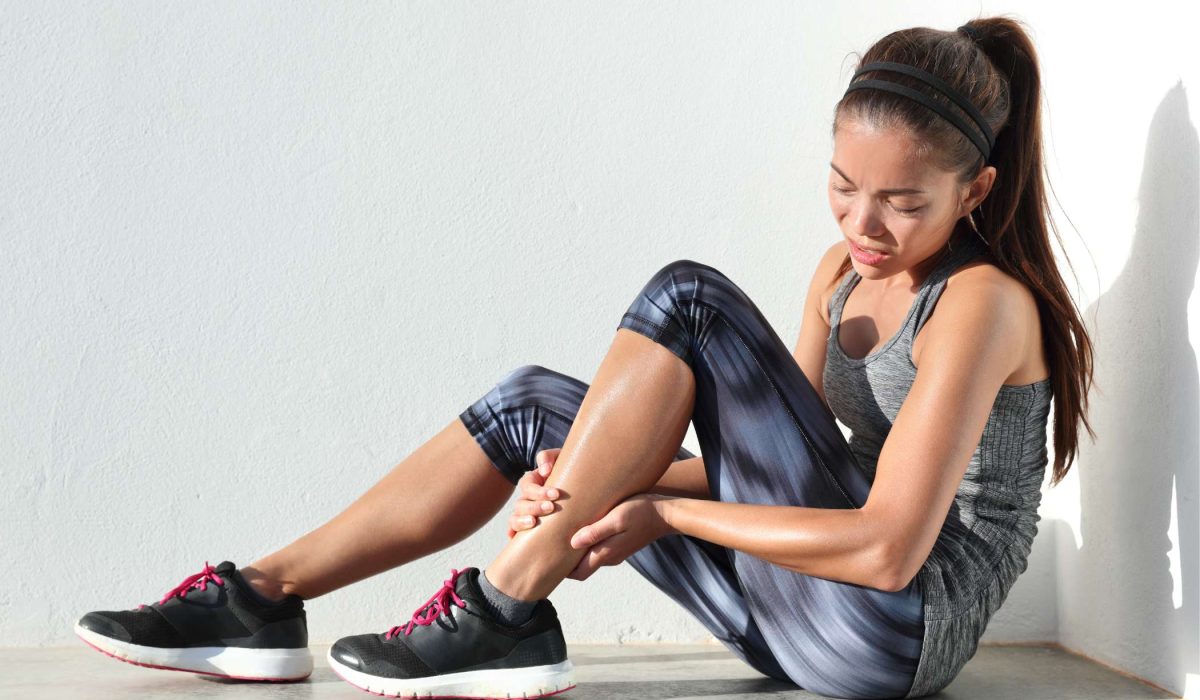
Sports injuries happen to people of every physical level, and this includes everyone from weekend joggers to high school players. When a sports injury occurs, the first few hours affect how the tissue begins to heal. Sprains, strains, and fractures need different care, but a few basic steps apply to most of them. Here are some practical recovery steps for the first days after an injury:
Immobilize Injured Area
If you get a sports injury during play, stop the activity right away. Continued movement puts extra strain on damaged tissue. A sling, splint, or brace limits motion, and it gives the area a chance to settle. Do not try to straighten a limb that looks bent or out of place.
You do not need special gear for a temporary splint, and household items may work. A rolled magazine can support a forearm until you reach a clinic. Secure it with tape or a cloth strip above and below the injury. Check the fingers or toes for numbness, coldness, or color changes.
Control Swelling Fast
Swelling is the body’s normal response to tissue damage. Some swelling is expected, but too much fluid slows movement and raises pain levels. Since ice can damage skin, place a thin towel between the pack and your body. Providers may recommend the RICE method because it addresses swelling in four simple steps:
- Rest: Avoid putting weight or stress on the injured area.
- Ice: Apply a wrapped ice pack for 15 to 20 minutes every two to three hours.
- Compression: Wrap the area with an elastic bandage, snug but not tight.
- Elevation: Raise the injury above heart level when you sit or lie down.
Seek Professional Help
Some injuries look minor at first, but they hide more serious damage. A twisted ankle may involve a small fracture or a torn ligament. A provider uses an exam and X-rays to find problems that home care may miss.
Certain signs point to the need for prompt medical care. Get care right away if you hear a pop, see a deformity, or are unable to bear weight. Severe pain is one warning sign, and spreading bruises are another.
Since many clinics accept new patients, you can schedule an appointment for a sprain. Many clinics offer on-site X-rays, and staff can apply splints or braces during the visit. Bring a list of your medications and any prior injuries. Ask about follow-up steps and activity limits.
Try Shockwave Therapy
Shockwave therapy sends sound waves into injured tissue through a handheld device. It does not involve surgery, and most sessions are short. Providers may suggest it when a tendon injury has not improved with rest and physical therapy. Typical uses include the following conditions:
- Plantar fasciitis
- Tennis elbow
- Achilles tendon pain
- Jumper’s knee
In many cases, shockwave therapy is not a first step for a fresh injury. Results vary from person to person, and many patients need several sessions. Some people feel mild soreness during treatment. Ask your provider whether the therapy fits your condition before you schedule sessions.
Address a Sports Injury Immediately
When you act quickly after a sports injury, you lower the risk of further damage. Start with rest, ice, compression, and elevation. Watch for warning signs, and get an exam for severe pain or swelling. An orthopedic clinic offers a convenient option for evaluation, X-rays, and follow-up planning.