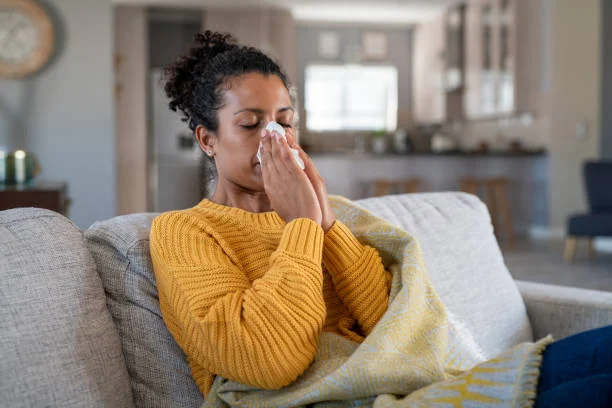
Seasonal allergies and hay fever are common problems that affect millions of people worldwide. These conditions, medically known as allergic rhinitis, occur when your immune system reacts to allergens like pollen, dust, or mold. Symptoms often include sneezing, runny nose, itchy eyes, congestion, and fatigue. Although these symptoms are not usually life-threatening, they can significantly affect your daily life, sleep, and productivity. Fortunately, there are many treatment options available to help manage and relieve these symptoms.
In this article, we’ll discuss effective treatments, lifestyle strategies, and preventive measures to make living with seasonal allergies more comfortable.
Understanding Seasonal Allergies and Hay Fever
Seasonal allergies are triggered by specific allergens that are more prevalent at certain times of the year. For example, tree pollen is common in the spring, grass pollen in the summer, and ragweed pollen in the fall. Hay fever, a type of seasonal allergy, primarily affects the nose, throat, and eyes, causing symptoms like:
- Sneezing and nasal congestion
- Runny or itchy nose
- Watery, itchy eyes
- Postnasal drip
- Fatigue or irritability
These symptoms occur because your immune system overreacts to harmless substances. When allergens enter your body, the immune system releases histamines, which cause inflammation and irritation.
Lifestyle Measures to Reduce Exposure
Before we dive into medications, it’s important to know that simple lifestyle changes can significantly reduce exposure to allergens:
- Stay indoors on high pollen days – Check local pollen counts and try to stay inside when levels are high.
- Keep windows closed – Using air conditioning instead of opening windows can prevent pollen from entering your home.
- Shower and change clothes – After spending time outdoors, pollen can stick to your hair and clothes. Showering and changing can reduce exposure.
- Use a HEPA filter – High-efficiency particulate air (HEPA) filters in your home can trap pollen and dust particles.
- Avoid outdoor activities in the early morning – Pollen levels are often highest in the early morning and on windy days.
These simple habits can make a big difference in controlling symptoms and improving comfort.
Medications for Seasonal Allergies
Several types of medications are commonly used to treat hay fever and seasonal allergies. It’s important to choose the right one based on your symptoms and lifestyle.
1. Antihistamines
Antihistamines block the action of histamines, reducing sneezing, runny nose, and itching. They are available in tablets, liquids, or nasal sprays. Some popular over-the-counter options include cetirizine, loratadine, and fexofenadine.
Tips for use:
- Non-drowsy options are preferable for daytime use.
- Always follow dosing instructions, especially for children.
- Antihistamines may take a few days to show full effect.
2. Decongestants
Decongestants relieve nasal congestion by shrinking swollen blood vessels in the nasal passages. They are available as pills or nasal sprays. Common examples include pseudoephedrine (oral) and oxymetazoline (nasal).
Tips for use:
- Nasal sprays should be used for a maximum of 3–5 days to avoid rebound congestion.
- Oral decongestants may increase blood pressure; consult a doctor if you have hypertension.
3. Nasal Corticosteroids
Nasal corticosteroid sprays reduce inflammation in the nasal passages and are highly effective for long-term symptom control. Examples include fluticasone, budesonide, and mometasone.
Tips for use:
- Best used regularly, not just when symptoms appear.
- Effects may take a few days to weeks, so consistency is key.
- Generally safe for long-term use when used as directed.
4. Eye Drops
If your allergies affect your eyes, antihistamine or anti-inflammatory eye drops can help relieve itching and redness. Some eye drops are available over the counter, while others require a prescription.
5. Immunotherapy (Allergy Shots or Tablets)
For severe or persistent allergies, immunotherapy can help your body gradually become less sensitive to allergens. This treatment can be delivered as:
- Allergy shots – Regular injections over a few months or years.
- Sublingual tablets – Dissolved under the tongue daily.
Benefits:
- Can provide long-term relief even after stopping treatment.
- Often recommended if medications are not effective or cause side effects.
Natural Remedies and Complementary Approaches
Many people also find relief using natural approaches. While these are not a replacement for medical treatment, they can help manage symptoms:
- Saline nasal rinses – Help wash out pollen and reduce nasal congestion.
- Honey – Some claim that local honey may help build tolerance to pollen, though evidence is limited.
- Quercetin – A plant-based compound found in onions and apples may have natural antihistamine effects.
- Butterbur – Some studies suggest it can reduce allergy symptoms, but check for liver safety concerns.
When to See a Doctor
Most seasonal allergy symptoms are manageable at home, but medical attention is needed if you experience:
- Severe symptoms that interfere with daily life
- Persistent sinus infections
- Difficulty breathing or asthma attacks
- Swelling of the lips, tongue, or throat
A doctor can recommend stronger medications or immunotherapy for better relief.
Preventive Measures for the Future
Preventing allergies is as important as treating them. Strategies include:
- Tracking pollen counts and planning outdoor activities accordingly
- Wearing sunglasses and masks outdoors to reduce pollen exposure
- Cleaning bedding and clothes regularly to remove pollen
- Using allergen-proof covers for mattresses and pillows
By combining preventive measures with proper treatment, most people can live comfortably during allergy season.
5 Frequently Asked Questions (FAQs)
1. Can seasonal allergies go away on their own?
Allergies usually persist as long as you are exposed to triggers. Some people may experience fewer symptoms as they age, but allergies rarely disappear completely without treatment.
2. Are over-the-counter antihistamines safe for children?
Many antihistamines are safe for children, but dosing depends on age and weight. Always consult a pediatrician before giving medication to young children.
3. Can diet affect seasonal allergies?
Certain foods, like apples, carrots, or celery, may cause mild reactions in people with pollen allergies due to cross-reactivity. Overall, diet does not cure allergies, but avoiding triggers may reduce symptoms.
4. Is immunotherapy effective for everyone?
Immunotherapy works best for people with specific allergies, such as pollen, dust mites, or pet dander. Effectiveness varies, and treatment can last 3–5 years for long-term benefits.
5. Can seasonal allergies cause fatigue?
Yes, chronic nasal congestion, poor sleep, and immune responses can make you feel tired and sluggish. Treating symptoms often improves energy levels.
Final Thoughts
Seasonal allergies and hay fever can be disruptive, but with the right combination of medications, lifestyle changes, and preventive strategies, they can be managed effectively. Antihistamines, decongestants, nasal sprays, and immunotherapy are all valuable tools. Pairing these with simple habits like staying indoors on high pollen days and using HEPA filters can make allergy season much more bearable. Understanding your triggers and taking proactive steps is the key to enjoying the seasons without constant sneezing and irritation.