
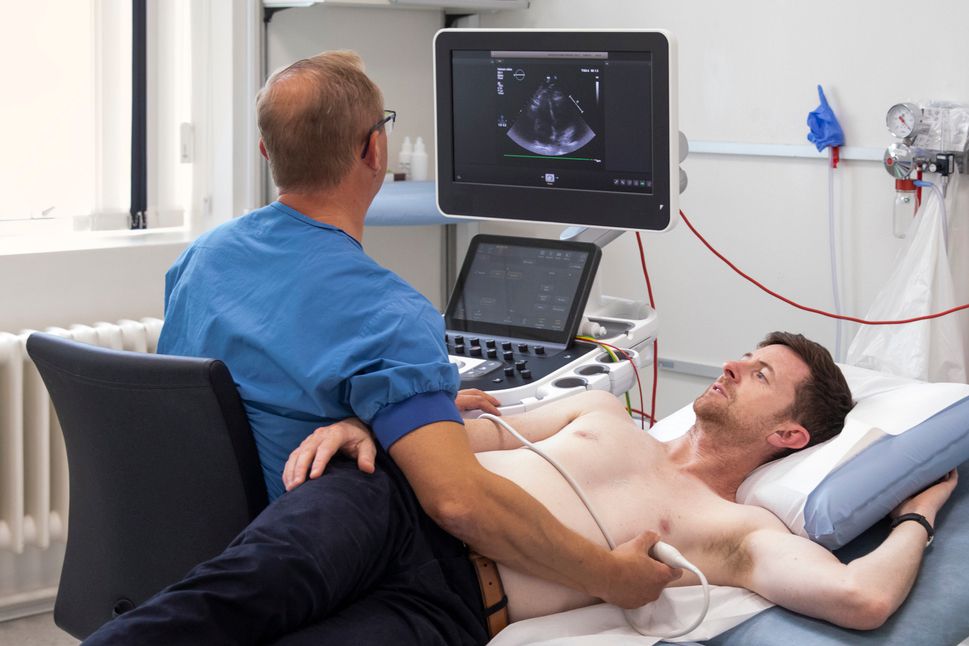
Body imaging helps healthcare providers examine the lungs and surrounding structures to identify signs of disease, injury, or abnormal changes. These imaging tests may support diagnosis, treatment planning, and ongoing monitoring for various conditions. Here is a closer look at the role of body imaging in evaluating lung diseases:
Lung Function Assessment
Evaluating how well the lungs work is a fundamental step in respiratory care. Body imaging provides visual evidence of structural changes, and the data helps doctors understand functional limitations. It also reveals blockages or fluid buildup that restricts airflow. Doctors observe these visual cues, and they correlate the findings with physical symptoms. A scan can show areas of the lung that do not inflate properly during a breathing cycle. Healthcare providers use these visual assessments to track disease progression over time. A baseline image establishes the current state of the lungs, and subsequent scans highlight any worsening or improving conditions.
Disease Detection Support
Body imaging is a helpful tool for detecting diseases in their earliest stages. Physicians use these techniques to detect tumors, infections, and chronic inflammatory conditions. Identifying these issues early improves patient outcomes and expands the available treatment options.
Radiologists analyze scans to detect subtle abnormalities that standard physical exams may miss. They look for nodules or unusual patterns in lung tissue, which often point to underlying diseases. A timely scan can reveal the early signs of pneumonia before severe symptoms develop. Medical imaging also helps differentiate between various types of lung conditions. A doctor may suspect a specific illness, but a detailed scan will provide the definitive proof needed for an accurate diagnosis.
Imaging Method Selection
Selecting the right imaging method is key to obtaining accurate diagnostic information. Doctors evaluate the patient’s symptoms, and they choose the modality that will provide the best view of the suspected issue. Different techniques offer unique advantages, so medical professionals must carefully review their options.
Computed Tomography (CT) scans produce detailed cross-sectional images of the chest. This method excels at highlighting complex lung structures, and it is effective at detecting small nodules. They also provide a comprehensive view that helps physicians plan surgical interventions.
Magnetic Resonance Imaging (MRI) uses magnetic fields and radio waves to produce detailed images. An MRI exposes the patient to no radiation, which makes it a safe option for certain individuals. While X-rays remain a fundamental diagnostic tool for rapid assessment of bones and soft tissues, advanced methods provide deeper insights into complex lung diseases.
Treatment and Monitoring Guidance
Medical imaging provides the necessary data that guides ongoing patient care. Doctors use these visual records to manage conditions effectively, and they adjust therapies based on the observed results. Here’s how they use imaging to monitor treatment:
- Evaluating Therapy Success: Scans show whether a tumor shrinks after intervention, confirming that the current therapy is working.
- Guiding Surgical Procedures: Surgeons rely on detailed lung maps to plan precise operations, reducing the risk of complications.
- Monitoring Chronic Conditions: Regular imaging monitors the progression of long-term diseases, allowing doctors to adjust medications as needed.
- Detecting Complications Early: Routine checks reveal new infections or structural issues, allowing for prompt medical intervention.
These imaging applications make sure that patients receive precise and responsive medical care.
Schedule Your Body Imaging Appointment
Body imaging is a fundamental component in the evaluation and management of lung diseases. These diagnostic tools support disease detection, guide method selection, and provide helpful data for ongoing treatment. It helps healthcare providers deliver accurate diagnoses and tailor interventions to specific patient needs. Contact a reputable medical imaging center near you to schedule your appointment today.